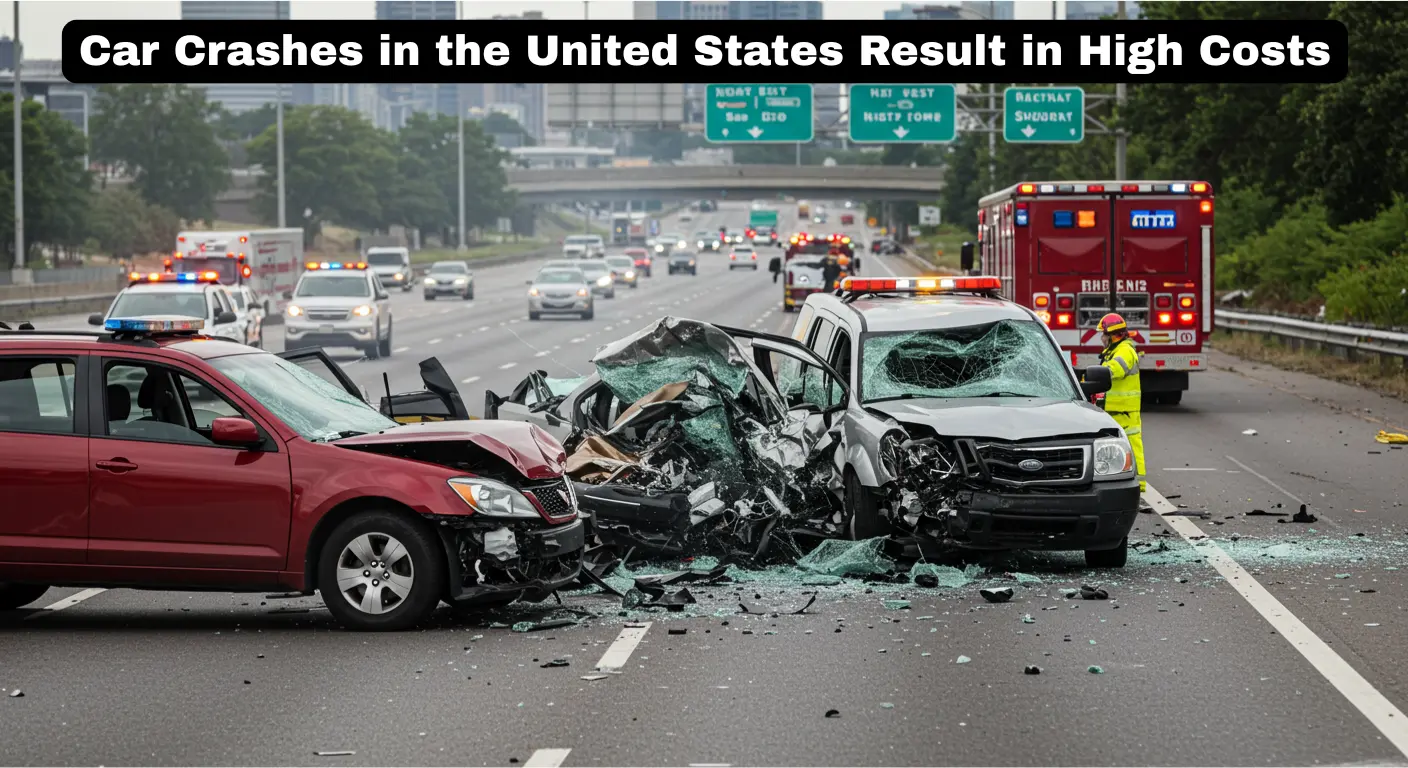
Car Crashes in the United States Result in High Costs. In What Areas Do These High Costs Occur?
Car accidents in the United States are not only the reason behind injuries. Financial and emotional expenses are unbelievable. They are lagging far behind in medical bills and car repairs. It is manifested in the form of lost wages and destruction of the environment, and the losses are made very rapidly. The nation has to incur these costs annually, and this is a burden to individuals, families, and the economy. In this article, one breaks down the reasons behind such a high cost, their effects, and how such high costs can be reduced.
Car Crash Scope in the U.S.
In the U.S., car accidents have been the leading cause of death, killing more than 120 people a day. The year 2022 alone claimed nearly 44,000 lives and injured several million people. It is also expensive in terms of finances. Estimates made by the National Highway Traffic Safety Administration (NHTSA) show that the U.S. has to spend over $340 billion a year as a result of car accidents. This amount includes medical and lost earnings, auto maintenance, and overhead social expenses.For a simple overview of car crash issues and related help, you can also check this site.
Impact of Auto Crashes Fact Sheet
Some of the fast data on the effects of auto accidents in 2022 include the following:
- 44,000: Over 44,000 individuals died in road accidents.
- 2.6 million injuries: More than 2.6 million people got injured and were compelled to arrive at the emergency room.
- $470 billion: The total cost of crashing, in terms of medical expenses, vehicle repairs, and lives lost, exceeds $470 billion.
The Invisible Lacking Costs of Car Crashes.
Even though the most obvious costs following a car crash are the medical expenses and repairing the car, the real price is significantly higher. Car accidents impact so many spheres of life, such as lost revenue and traffic congestion. Where these costs are concentrated, we will see.
Medical & Healthcare Costs
The initial expenditure is the treatment of the victims of the accident in the health department. Long-term care, ambulance, hospital care, and surgery are very costly. This can be colossal in case of extreme injuries, including brain injury or spinal injury. It might be that it is too expensive for a family, resulting in a loss of finances. The NHTSA estimates that a large part of the annual crash cost, $340 billion, is medical care. This includes the emergency care, surgeries, and months or even years of rehabilitation.
Loss of wages due to Temporary Disability
A crash not only affects the health of an individual, but it might also render the individual incapable of working. Critical injuries may put a number of people out of work in the long run. Lost productivity is caused by broken bones, surgeries, and emotional trauma. People lose their income when they cannot work, and these results may be catastrophic, especially when a family is used to a constant paycheck. The NHTSA asserts that the cost of a car crash in terms of lost wages and lost productivity is one of the largest invisible costs of an accident.
Property Damage & Vehicle Repair
Even minor accidents can result in significant property damage. Car repairs can be costly when dealing with newer, high-tech vehicles. Modern cars come with advanced systems that are costly to fix. Additionally, after accidents, roads, guardrails, and other infrastructure often require repairs, adding to the total cost. The NHTSA estimates that property damage from accidents costs billions of dollars in the U.S. every year.
Legal, Court & Insurance Costs
Car accidents also bring legal and insurance costs. After an accident, drivers often need to hire a lawyer and pay court costs. Even if drivers aren’t at fault, insurance premiums tend to rise after a crash. The NHTSA notes that legal and insurance costs are some of the highest expenses linked to car accidents.
Car accidents also bring legal and insurance costs. After an accident, drivers often need to hire a lawyer and pay court costs. Even if drivers aren’t at fault, insurance premiums tend to rise after a crash. The NHTSA notes that legal and insurance costs are some of the highest expenses linked to car accidents. Many people choose to consult a law firm for accidents to help navigate these legal and insurance challenges.
Traffic Congestion, Environmental & Other External Costs
Traffic congestion is another often-overlooked cost of car accidents. Accidents cause hours of delays, waste time and fuel, and contribute to air pollution. Even minor crashes can disrupt normal routines. The NHTSA estimates that external costs, like fuel waste and environmental damage, total about $36 billion annually.
How Much Do Car Crashes Cost the U.S. Annually?
The financial cost of car accidents is staggering. In 2019, the total cost of motor vehicle crashes in the U.S. was approximately $340 billion. This includes both direct expenses, such as medical costs and repairs, and indirect costs, such as lost productivity and lawsuits. When factoring in emotional tolls and the loss of life, the total cost of accidents climbs to around $1.4 trillion.
The Property Damage & Vehicle Repair Cost Component
Property damage and vehicle repairs account for a large share of the cost of car crashes. In 2019, the NHTSA reported that property damage from accidents totaled more than $60 billion. This includes fixing cars, repairing roads and guardrails, and replacing damaged signs. With millions of crashes occurring each year, the total cost of property damage quickly adds up.
Why These Costs Persist and What Can Be Done
Car crash costs continue to rise every year. However, there are steps we can take to reduce these expenses and make the roads safer. Let’s explore how we can reduce the economic burden of car accidents.
Stricter Enforcement of Traffic Laws
Most accidents happen due to speeding, distracted driving, or driving under the influence. Enforcing traffic laws, such as fines for speeding or using a phone while driving, could help reduce accidents. By ensuring drivers follow traffic laws, we can lower the number of crashes and, in turn, reduce the financial costs on society.
Better Road Design and Maintenance
Accidents are often caused by poorly designed or poorly maintained roads. Improving road design, adding more signs, and maintaining smoother lanes can make driving safer and reduce accidents. Better roads would not only reduce accidents but also lower costs related to property damage and car repairs.
Public Awareness and Education
Many accidents are caused by drivers who don’t understand the risks of distractions like texting or speeding. Public education campaigns about safe driving habits and the consequences of reckless driving can help. When drivers are more aware of the dangers, they are more likely to make safer choices on the road, which can decrease accidents and costs.
Improved Vehicle Safety Technology
New cars have advanced safety features like automatic braking, lane-keeping assistance, and collision warnings. Expanding the use of such technology could reduce accident rates and make roads safer for everyone. The more drivers who use these safety features, the fewer accidents there will be, and the lower the overall expenses will be.
Quicker Emergency Response
Quick responses during accidents can save lives and reduce long-term medical expenses. If first responders arrive quickly, they can prevent life-threatening injuries, reduce hospital stays, and lower medical costs. Strengthening emergency services and training responders to act quickly can improve healthcare costs and save lives.
Stronger Community Involvement
Communities also play a key role in road safety. Local organizations and residents can help identify risky intersections, push for better lighting, and lobby for safer pedestrian crossings. By working together, communities can reduce accidents and help lower the financial costs of crashes.
The Road Ahead: Reducing the Financial Burden of Car Accidents
Car accidents in the United States cost the country immense amounts of money, emotions, and social impact each year. Medical bills, property damage, and lost wages add up quickly. But by focusing on prevention, such as better road design, stronger enforcement of laws, public education, and the use of the latest vehicle safety technology, we can reduce accidents and their costs.
By working together, we can make roads safer, save money, and most importantly, save lives. As safety measures improve, accidents will decrease, and the financial burden of these incidents will lessen.