Clear PPF: The Quiet Way to Protect Your Car’s Value
You buy a car, and for the first few weeks, you park a little farther away. You wince at gravel trucks. You notice every tiny speck on the hood. Then life happens. Highway miles add up, doors swing open in parking lots, and those little chips and scratches start showing up whether you like it or not.
That’s where Clear PPF comes in. Not as a flashy upgrade, but as a practical one for people who actually plan to keep or resell their car without watching the paint slowly fall apart.

What Clear PPF Actually Is
Clear PPF film, short for paint protection film, is a nearly invisible layer applied over painted surfaces. Think hood, front bumper, mirrors, and door edges. The spots that take the most abuse.
It’s designed to absorb impacts from rocks, road debris, and minor scrapes before they hit your paint. Instead of chipping the clear coat or leaving spiderweb scratches, the film takes the damage. The paint underneath stays intact.
This isn’t vinyl wrap, and it’s not ceramic coating. A Clear PPF wrap is thicker and built for physical protection, not just shine.
Why This Matters More Than You Think
Modern car paint looks great, but it’s thinner than it used to be. Manufacturers do this to meet environmental rules, not because it’s tougher. That means chips happen faster, and once they start, they don’t stop.
Here’s the part people overlook: visible paint damage hurts resale value. Buyers notice it immediately. Dealers deduct for it. Leasing companies absolutely charge for it at turn-in.
Protecting the paint early keeps the car looking “unremarkable” later, which is exactly what you want when it’s time to sell.
Who Clear PPF Makes Sense For
This isn’t a must-have for everyone. But it makes real sense if any of these apply:
- You drive a lot of highway miles
- You plan to keep the car more than a few years
- You care about resale or trade-in value
- You park outside or deal with tight city parking
- You just bought a newer or higher-value vehicle
It’s especially common on used cars that are still in great shape. Spending a bit to protect good paint is cheaper than repainting panels later.
What the Installation Looks Like
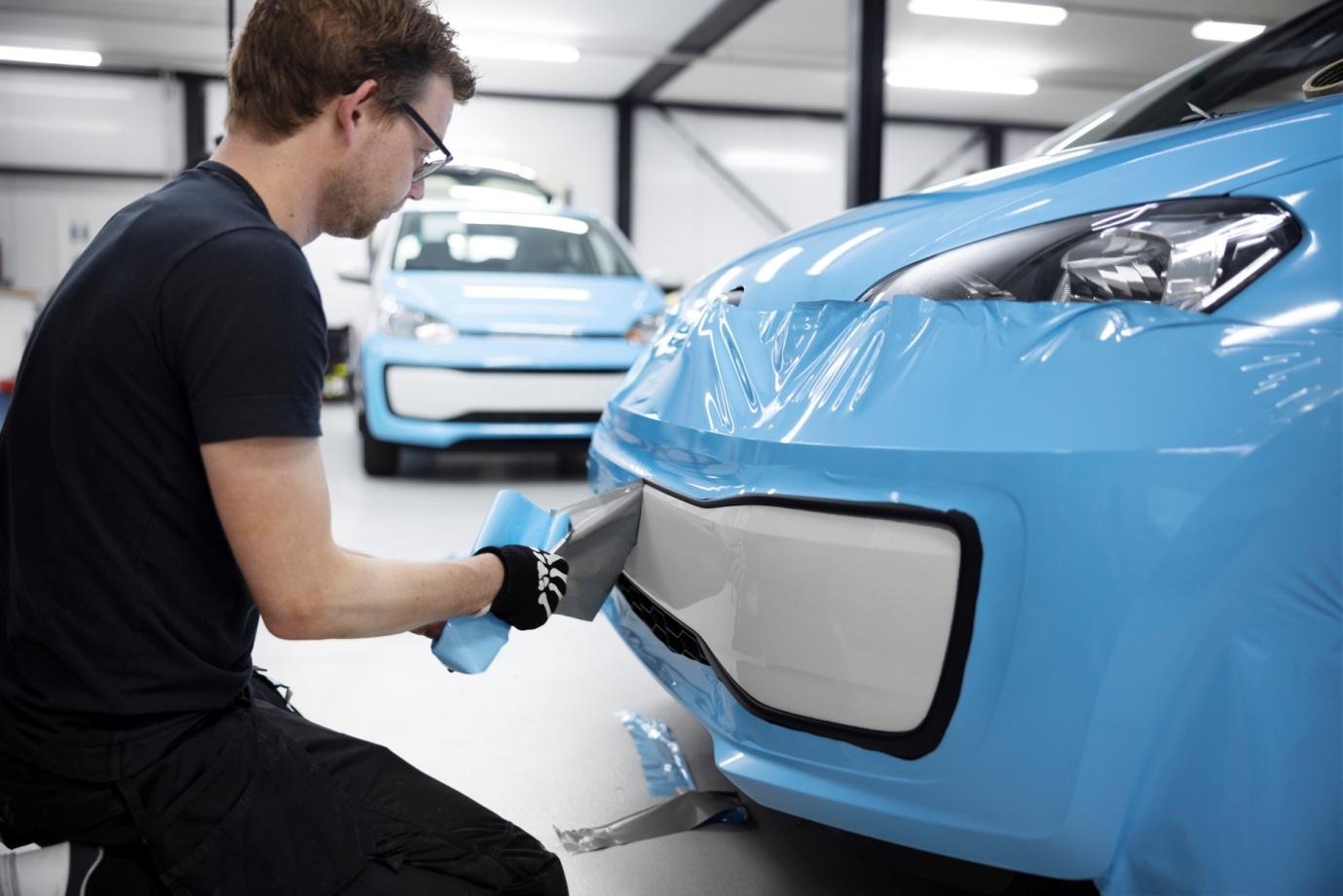
A professional installer custom-fits the film to your vehicle. No trimming on the paint. No rough edges. Once applied, it’s hard to see unless you’re looking for it.
Quality film is self-healing, meaning light scratches fade away with heat from the sun or warm water. Maintenance stays simple. You wash the car like normal.
You can also take a quick look at how clear PPF wrap works before deciding if it makes sense for your car.
Is It Worth the Cost?
Clear PPF isn’t cheap, but neither is repainting a hood or bumper. One rock chip leads to touch-up paint, and touch-up paint often results in mismatched panels — which ultimately hurts resale value. This kind of visual damage is even more noticeable on bold, heavy-duty vehicles, similar to the tank-like car designs people often talk about. That’s why PPF focuses on stopping the damage before it starts. You pay once, early, and avoid repeated fixes later. For a lot of owners, that math checks out.
What This Really Comes Down To
Cars wear down fast in the real world. Clear PPF doesn’t stop time, but it slows the visible damage that makes a car look older than it is.
You won’t think about it every day. That’s the point. The protection does its job quietly while your paint stays exactly the way you wanted it when you drove the car home.