A Morning That Changed Everything on Accident Hwy 395 Stanfield Oregon – May 6, 2025
It was a free country blowing, to some extent, to the East of Stanfiel when, at 8:17 AM, in the midst of a usual morning rush, a catastrophe occurred. Highway 395, an important highway that supported farmers, commuters, and truckers in Umatilla County, was passing through one of the darkest times. Three cars collided, a woman was killed, two students were wounded, and society was stunned by the news within several seconds of the Accident Hwy 395 Stanfield Oregon.
Quiet to Chaos: What Happened Accident Hwy 395 Stanfield Oregon
It was not a pleasant morning; the streets were nearly empty, and only a few trucks and pedestrians were passing by, heading towards one of Hermiston’s towns or Interstate 84. One of the semitrucks carrying fresh produce was traveling north, and its trailer was complete, which reduced its reaction capacity.
At almost the same time, a white Ford Explorer went south, followed by a silver Toyota Camry right behind the first one.
The semi, according to witnesses, slowly crossed over the centerline; wind, fatigue, or a lapse of a moment might have been the reasons. The Explorer driver attempted to avoid it. This way, she cut the Camry in a neighboring lane. The half jackknifed and poured partially into the other approaching lane. The Explorer flipped. The Camry spun out. The semi went off-road in a shallow ditch.
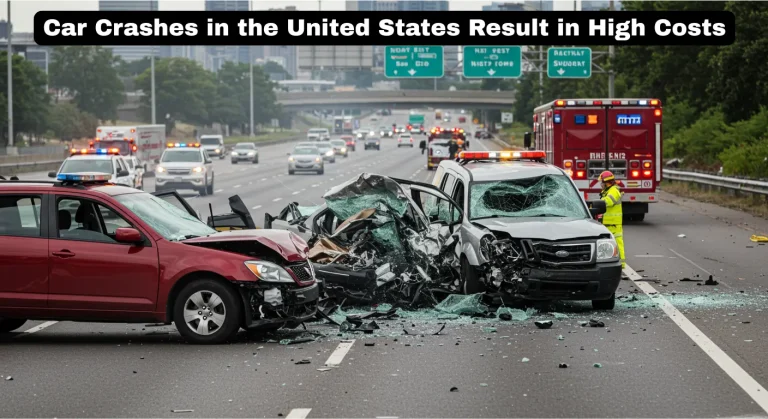
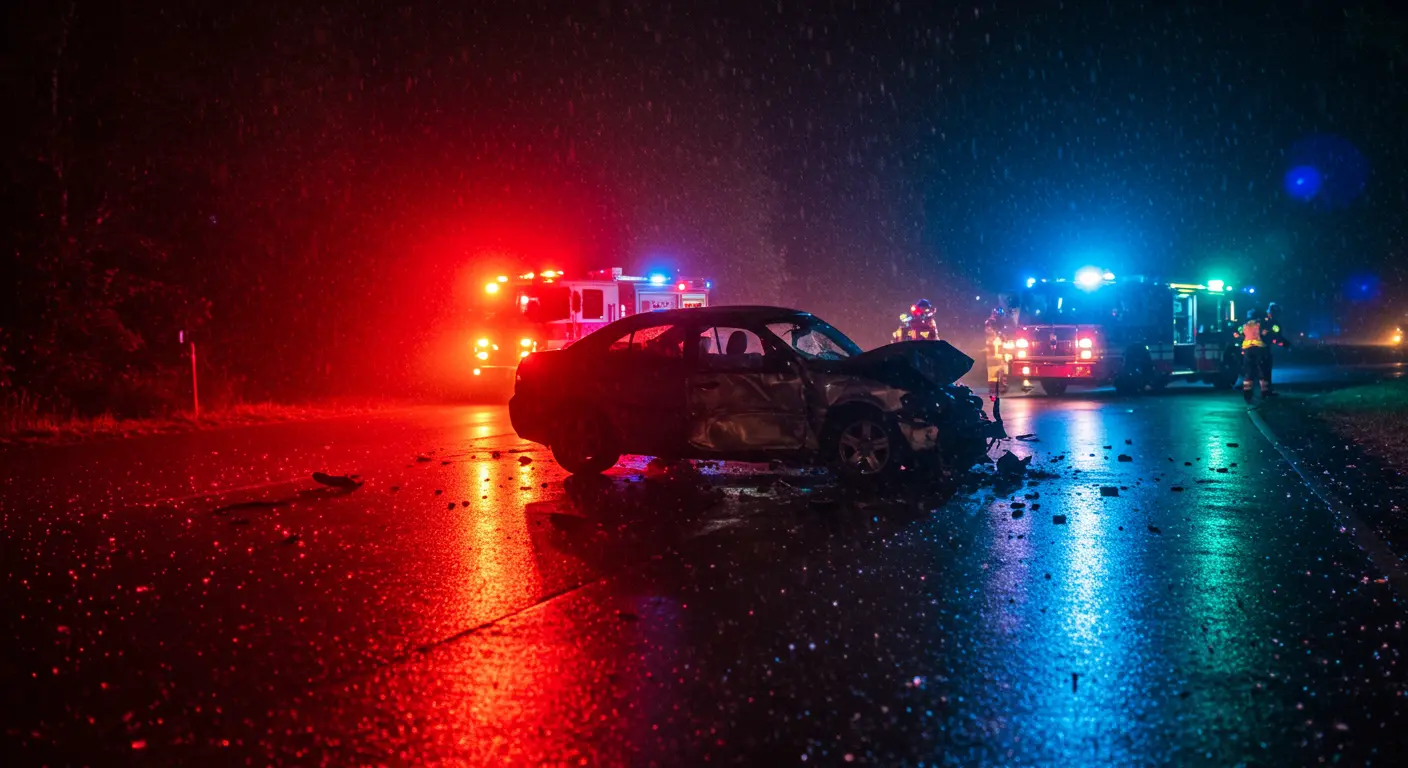
The emergency dispatchers received panicked calls in a few seconds. Upon arrival of the first responders, there was wreckage, smoke, and chaos- glass and debris sprayed across the two lanes, mangled vehicles and lives by the hang of a thread.
Loss, Survival, and Human Faces
Michelle Larsen, a 42-year-old driver of the Explorer, succumbed to her injuries on the scene. She was volunteering in the Hermiston Public Library and had two children in high school. Her killing rocked the region.
The Camry had two students from Blue Mountain Community College. They both had sustained injuries that were not life-threatening but severe.
The semi’s driver, Jorge Martinez from Walla Walla, escaped with minor injuries. He spoke to investigators, visibly shaken, offering his side of what he remembered: a tilt, a drift, a scramble to correct, then total loss of control.
Voices From the Road
Local farmer Dale Hendershot, who had just pulled onto Hwy 395 from Feedville Road, heard it before he saw it. “It sounded like metal tearing,” he said. “Then cars flew. I ran to help. The lady in the SUV… you could tell. She didn’t make it.”
Another witness, 19-year-old Trinity Myers, captured the horror on her dashboard camera. She had been driving north just behind the semi when everything changed. The video shows the semi creeping over the line, the desperate swerve, and the moment of collision. Trinity later allowed investigators to use the footage. That recording became one of the few clear glimpses into those final seconds.
A Highway With a Dark Echo
Hwy 395 between Stanfield and Hermiston is deceptively simple, flat land, straight stretches, and a false sense of security. But in all years, it was a dangerous stretch. ODOT records of 2019-2024 indicate that there were at least 17 serious crashes, half of them involving large trucks. Natives talk of the dangers behind the scenes: the cross winds powerful enough to push a semi down the road, farm machinery into the highway, and careless drivers who are bored by the road.
One former county official once called the road a “silent killer,” meaning you don’t see danger until it’s already upon you.
Problem on the Surface, Deeper Roots Below
This crash exposed a problem that’s been brewing:
- Weak infrastructure: narrow lanes, no median barriers, scant shoulders.
- Design neglect: high-speed stretches with little margin for driver error.
- Heavy vehicle exposure: constant interaction between large semis and small vehicles.
- Lack of preventive systems: no rumble strips, limited warning signage, minimal lane‑departure alerts.
It’s not just one missing guardrail. It’s a pattern: small design gaps multiplied over time. Each weak link makes a chain reaction possible.
Turning Tragedy Into Change: What Should Happen
You can’t undo loss, but you can demand better. Here’s how local and state bodies must act:
- Widen shoulders and install median barriers. Even modest buffers reduce crossover risk.
- Add center rumble strips to alert drivers drifting across the line.
- Upgrade signage and speed control in high-risk zones, especially where trucks slow or merge.
- Create rest and pull-off zones for heavy vehicles, providing truckers with safe places to pause or reorient.
- Implement more aggressive enforcement of distracted and fatigued driving, especially among commercial fleets.
- Provide community input channels, let locals mark “danger zones” where they’ve witnessed close calls.
- Make it mandatory to use a dashcam and black box sharing on commercial trucks traveling on rural roads.
- Create awareness through the release of crash reconstruction to the public to not frighten but educate drivers.
- With such measures taken by authorities, roads like 395 will be transformed to be more proactive than reactive in terms of safety.
Community in Grief, in Action
In Stanfield, people were not idlers. There was a crowd of more than 200 in front of the high school in town that evening. There waved the lamplight of Spring. The students, neighbors, and friends shared their stories, cried, and desired change.
The Hermiston Public Library, where Michelle volunteered, dedicated a memorial bench in her honor.
The high school students led a “Drive Alert” program, whereby they distributed safety pamphlets and posters, and conducted speaker events on road vigilance.
Meanwhile, local media, not satisfied with silence, hammered officials with questions. State Senator Claire Haverly, moved by public pressure, vowed to introduce a bill allocating safety funds for highways in rural Oregon. She asked: “How many more must we lose before we treat this stretch like a main corridor not a back road?”
Aftermath: Accountability, Healing, and Change
Within days, Oregon State Police launched a full investigation: toxicology, vehicle data recorders, reconstructive modeling, speed and braking analysis. No criminal charges were filed immediately; the priority was to find cause and recommend prevention.
Families retained attorneys. The trucking company, Northwest Harvest Logistics, issued a statement of condolence, promising cooperation. But social media wasn’t so gentle. Locals flooded the company’s pages demanding immediate safety upgrades and transparency.
Survivors, witnesses, and residents face more than physical and emotional scars; they now carry stories. Their call is not just for justice, but for a safer future.
The Real Cost That Morning
One life extinguished. Two futures altered. A trucker’s reputation is in doubt. Dozens of neighbors were shaken awake by danger. A community awakens to its own vulnerability.
But even though sorrow weighs down upon, hope springs up. Since something like change, real, tough, lasting change, is a product of stories such as these, By making people demand it, by having authorities act, by getting roads changed, we decrease the likelihood of some other person experiencing this very nightmare with Accident Hwy 395 Stanfield Oregon.
Key Takeaways: Accident Hwy 395 Stanfield Oregon
- One mistake (or diversion) in a semi-truck will have far-reaching death chains.
- Rural highways with minimal margins amplify risk.
- Infrastructure upgrades and enforcement can blunt deadly outcomes.
- Community voice matters; it forces system change.
- Tragedies demand action, not silence.
May 6, 2025, will mark more than a date. It will become a turning point, where a community refused to accept “accidents happen,” and insisted that lives matter enough to change the road forever.
Read More: Brittany Johns Car Accident