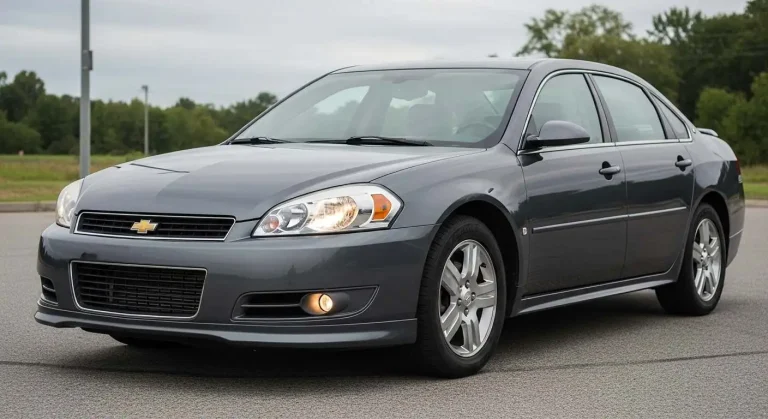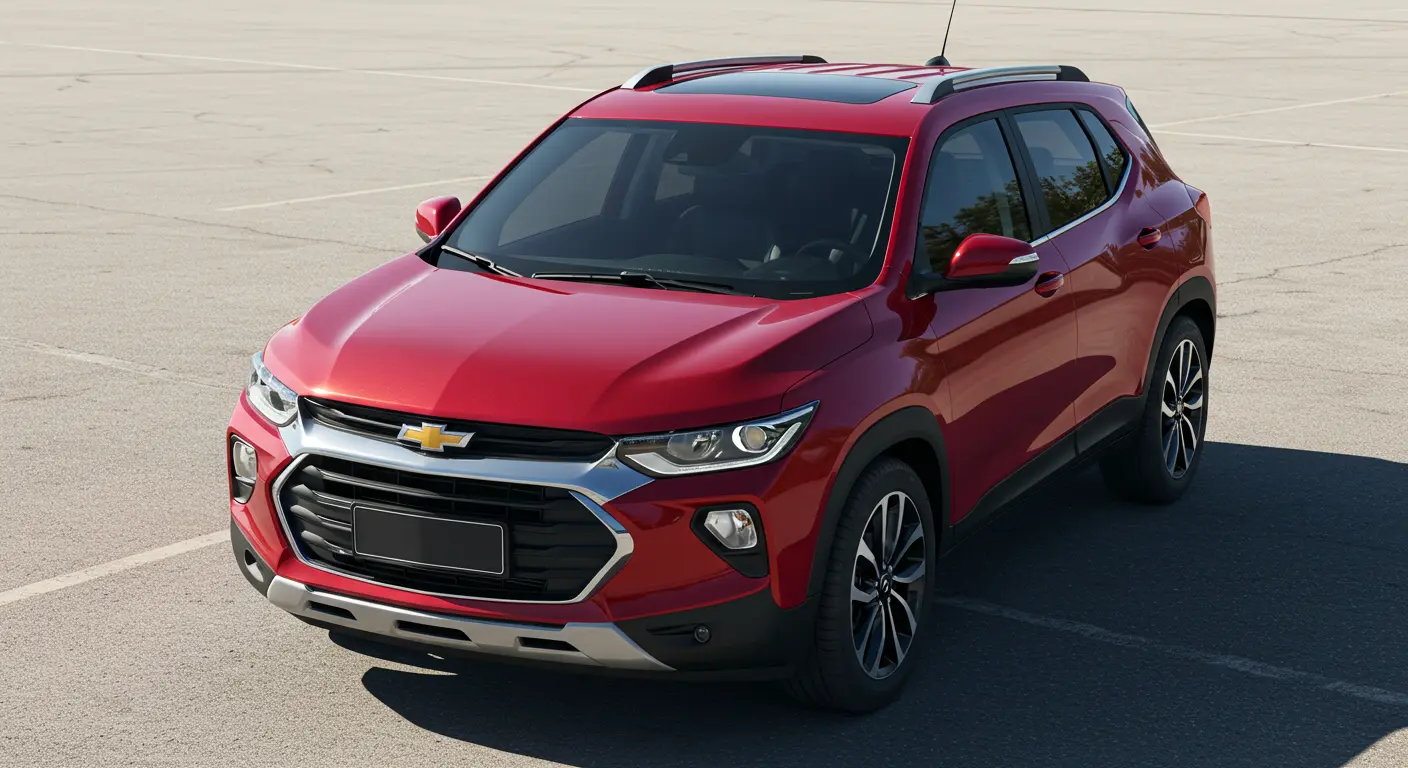
Chevy Trax Years to Avoid: A Clear, Simple Guide
The Chevy Trax may be a clever choice if you are fond of small SUVs. Parking costs are minimal, it is cost-effective to operate, and it can be used daily. But not every year is equal. There are model years that are more stressful than valuable. This guide reveals the years to avoid, the most common issues, the more desirable years to purchase, and key things to consider before you sign.
Chevy Trax Overview: A Quick Look
Trax is a small SUV targeted at urban customers and novices. It has a small turning radius, a simple infotainment system, and a sensible amount of cargo capacity given its size. Many owners like the low running cost and the upright seating. Nevertheless, the first models were of poor quality, which damaged confidence. Knowing when to skip the year will keep you safe and save you money.
What Chevy Trax Years Should You Avoid?
Here is the simple list most shoppers need to know. When people search “Chevy Trax years to avoid,” these years come up again and again:
- 2015 – First U.S. model year. Reports of hill rollback, early turbo and transmission troubles, and weak A/C performance.
- 2016 – Often called the worst year. Many owners note HVAC failures, warning lights, and power loss at speed.
- 2017 – Refresh looks nicer, but complaints continue about electrical issues, rough idle, and check-engine lights.
- 2018 – Fewer issues than 2015–2017, yet front-suspension weld concerns led to recalls on some builds.
If you want fewer headaches, most shoppers do best by skipping 2015–2017 and checking 2018 very carefully by VIN.
Most Common Chevy Trax Problems
Understanding patterns helps you shop smarter. These are the issues most often linked to the Chevy Trax years to avoid:
- HVAC and A/C Failure
Blower motors and related parts fail, leading to no heat or A/C. It is not deadly, but it ruins daily comfort and can add up in repair costs. - Electrical and Infotainment Glitches
Owners report screens freezing or going black, odd warning lights, and battery drain. Some problems are simple software resets. Others need a deeper diagnosis. - Turbocharger Trouble
Reduced power, odd noises, and a check-engine light can appear as mileage climbs. If ignored, it can get expensive. - Transmission Hesitation or Rough Shifts
Jerky gear changes and delayed response harm confidence in busy traffic or on hills. - Front Suspension Concerns (Select 2018–2019 Builds)
On affected vehicles, poor welds can impact steering feel and safety. Always check the VIN for completed recall work.
These issues do not hit every Trax, but they show why 2015–2017 earn the “avoid” label for many buyers.
Chevy Trax Years with Better Reliability
If you like the idea of a Trax but want fewer risks, consider these:
- 2019–2020 – Many early bugs were fixed or reduced. There remains a need to check on suspension recall work and basic brake and infotainment health; however, in general, day-to-day use is expected to be calmer than it was between 2015 and 2017
- 2022-2023 (2023 redesign and 2024 and later) – Significant update, better technology, value, and safety. These are inclined to provide the best ownership experience to date, which is why a large number of shoppers switch directly to the newer generation.
- First, compare the service history. A properly maintained 2019 will be better than a poorly maintained 2022.
Tips for Buying a Used Chevy Trax
- Keep your wallet and sanity secure by using this short checklist:
- Run a Full VIN History Check
- Make sure the title is clear, including accidents, airbag deployment, the number of owners, and open recalls. In 2018 and 2019, ensure suspension recall has been done.
- Get a Pre-Purchase Inspection(PPI)
- Request another independent mechanic to inspect the turbo, transmission performance, HVAC, battery/charging system, and suspension joints. An inspection of an hour can save you four figures on a repair.
Review Maintenance Records
- Seek frequent oil change, coolant service, and repairs. There is oftentimes more to care than to mileag
- Test the HVAC and Infotainment Thoroughly
Turn the A/C and heat on and off. Change fan speeds. Pair your phone. Let the system run for a few minutes to see if the screens freeze or reboot. - Drive It Like You’ll Use It
Include a hill start, a highway merge, and a stop-and-go loop. Listen for whistles (turbo), clunks (suspension), and feel for gear hunting (transmission). - Mind the Mileage
High miles are not a deal breaker if major items were replaced or serviced on time. Ask what has been done at 60k, 90k, and 120k intervals. - Prefer Certified Pre-Owned (CPO) When You Can
CPO units add warranty coverage and require inspection. Still, confirm the checklist and look for receipts.
FAQ: Chevy Trax Years to Avoid
Most shoppers skip 2015–2017 and review 2018 with care due to suspension recalls on some vehicles.
Yes. Many buyers find the 2019 and 2020 acceptable after a clean inspection and recall check. 2022+ models, especially after the redesign, offer the best mix of value and confidence.
It depends on the year and care. Early models have more common issues. Later models improve in quality and features. Good maintenance narrows the gap.
Power loss, harsh shifting, loud whistling under boost, dead screens, or an A/C that blows weak or warm. Any one of these deserves deeper inspection before you buy.
Sample Pre-Purchase Checklist (Print or Save)
- VIN report clean; no open recalls
- Independent PPI completed; written results in hand.
- HVAC: heat and A/C are strong at all fan speeds
- Infotainment: no freezes, reboots, or blackouts
- Turbo: no whining, smoke, or limp-mode feel
- Transmission: smooth upshifts/downshifts; no delay
- Suspension/steering: straight tracking; no clunks
- Brakes: firm pedal; no pull or vibration
- Battery/charging: tested and healthy
- Maintenance records: complete and consistent
Use this list for any Trax, but especially for the Chevy Trax years to avoid so you do not inherit a past owner’s problems.
Conclusion: Is the Chevy Trax Worth It?
The answer is “yes, if you choose the right year.” The Trax’s size, fuel economy, and easy manners can be great for city life. But the early years had too many weak spots to recommend broadly. To keep risk low, skip 2015–2017, double-check 2018 by VIN and service history, and focus your search on 2019–2020 or move up to 2022+ for the strongest mix of value and reliability.
Shop with a plan. Verify the history, get a PPI, and test the systems that most often fail. Do that, and you will avoid the Chevy Trax years to avoid, find a solid match, and feel confident every time you turn the key.
Also Read: Honda Pilot Years to Avoid