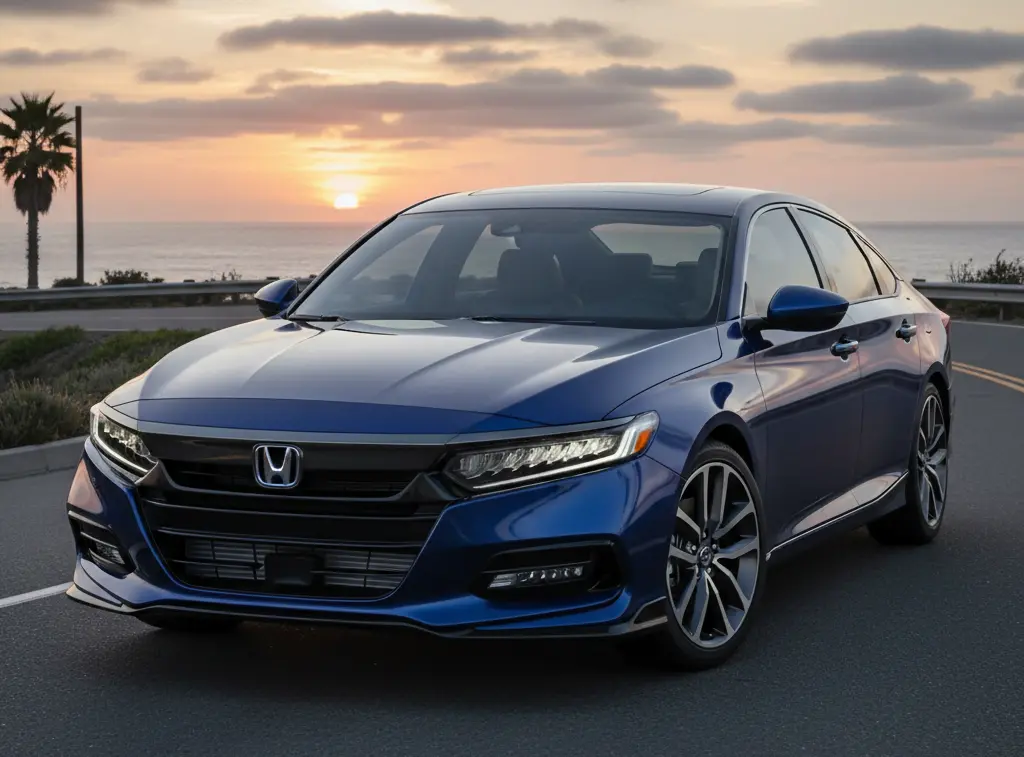
2026 Honda Accord Facelift in China: Bold Move or Risky Gamble?
Honda has unveiled a facelifted version of the 2026 Accord, but only for the Chinese market. It comes with sharper styling, upgraded tech, and two powertrain choices—a 1.5 L turbo and a plug‑in hybrid (PHEV). It is expected to launch in late 2025. Yet this decision raises many questions. Will it satisfy Chinese buyers’ demands? What does it mean for Honda’s global lineup? And are there weaknesses Honda must overcome?
In this article, we walk through the features, compare to rivals, and point out when problems show up, and what Honda could do to fix them.
Two Powertrain Options: Turbocharged and PHE – Why It Matters
One of the biggest differences in this facelift is offering both a turbocharged engine and a plug‑in hybrid choice. That gap was missing in earlier models and in many rivals. It is a strong move because Chinese policy now favors new energy vehicles (NEVs). If Honda had stuck only with the turbo, it could have lost customers who want cleaner driving.
By giving two options, Honda gives flexibility:
- Buyers who drive longer distances or highways might choose the turbo version.
- City dwellers who want low fuel costs or environmental benefits can go PHEV.
This dual option helps Honda cover more market segments in China.
Interior: Enhanced Tech and Comfort – Design That Keeps You Connected
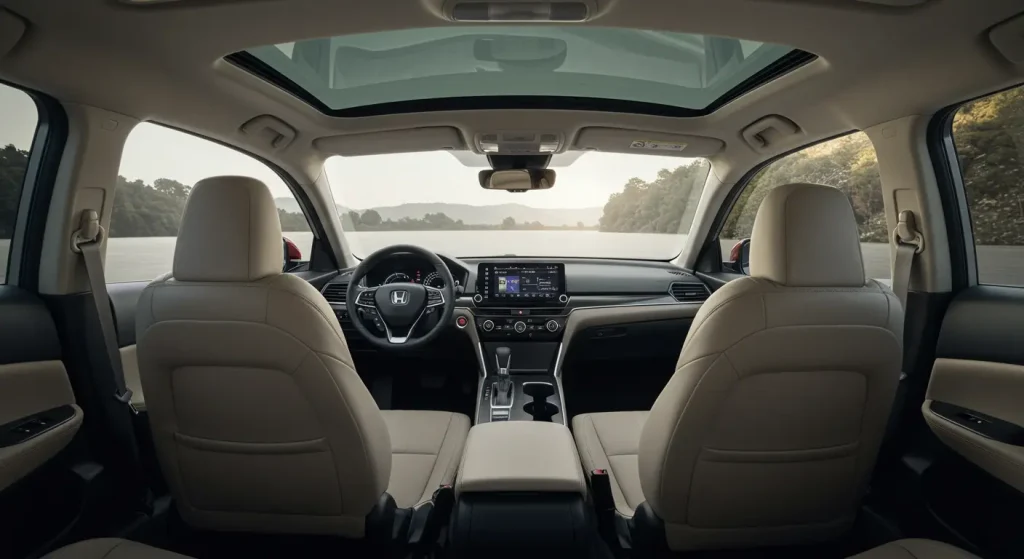
Many earlier Honda models in China lagged behind competitors in cabin tech. That gap is being addressed.
The facelifted model gets:
- A 12.3‑inch infotainment touchscreen
- Wireless Apple CarPlay and Android Auto
- In higher trims: a digital instrument cluster
- Better materials, more ambient lighting, new dashboard layout
- More sound insulation, so the cabin is quieter
- Rear seat improvements: better cushioning, USB‑C ports
These changes help close the gap between Accord and rivals that already offered more luxurious interiors.
Bolder Styling for 2026 Honda Accord – A Bold Face for a Crowded Segment
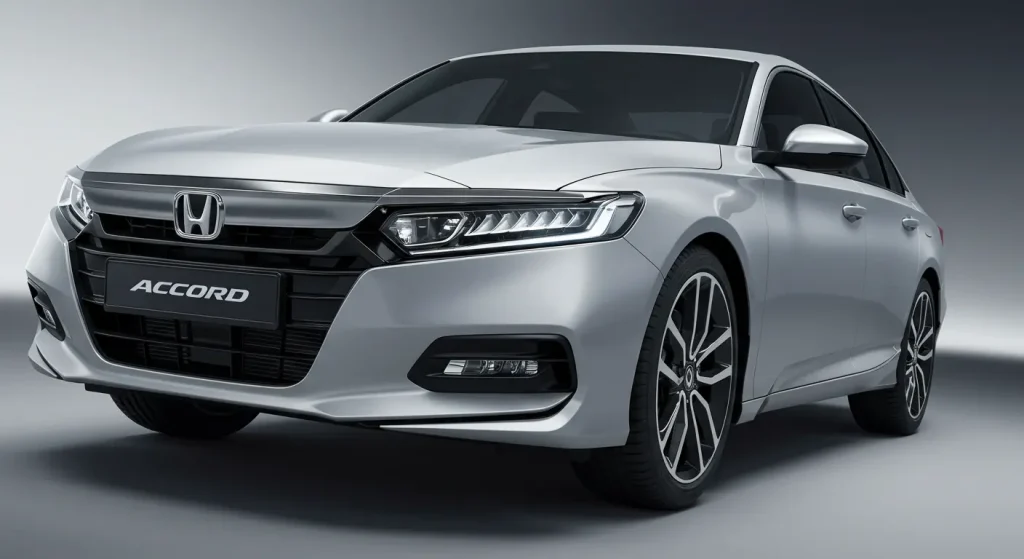
The exterior changes are meant to give the Accord more presence. In a market flooded with sedans, styling sells. The facelift includes:
- Revised front grille (more aggressive)
- LED headlights with a sleeker signature
- Stronger, more sculpted bumper designs
- New tail lamps, cleaner rear bumper
If Honda had kept older styling, the car might look outdated beside rivals like the Camry or Sonata. This styling refresh helps the Accord stand out.
China-Specific Accord: How It Differs From the Global Model- A Tailored Approach
This gap heading reflects an important strategic point: the Chinese market has different demands. Honda’s joint ventures (e.g., with GAC or Dongfeng) allow it to make models that differ from U.S. versions.
Some key differentiators:
- More chrome trim or visual features are preferred in China
- Possibly extended wheelbase or more rear legroom
- Local tweaks in suspension or features to suit Chinese roads
- The use of PHEV is more compelling in China than in many Western markets
By customizing the Accord for Chinese preferences, Honda aims to avoid being a “copy‑and‑paste” model and instead offer something that feels designed for China.
Top168 Unclear, but We Can Interpret
The “Top168” reference in one competitor’s write‑up is vague. It may suggest a content label or brand. We can treat it as a gap of clarity: readers don’t know what “Top168” means.
To fix that, Honda or content publishers should always clarify such labels. For instance, if “Top168” refers to a ranking or design series, it needs explanation. Ambiguous tags confuse consumers, so clarity is essential.
Two Powertrain Options Ensuring Execution Matches Promise
While offering two powertrains is a gap Honda fills, execution is key. Problems arise when one choice underperforms. If the PHEV range turns out too short or the turbo isn’t reliable, buyers will lose trust.
To solve that:
- The PHEV should deliver a realistic electric-only range (60–80 km is claimed)
- Charging infrastructure and fast charging support should be solid
- The turbo engine must balance power and durability
- Warranty, maintenance support must cover both powertrains fairly
If Honda fails in execution, offering two options becomes a liability, not a strength.
Some Common Problems Mentioned & Their Solutions
Problem: Customers may think that the facelift is not serious but just a cosmetic one.
Solution: Honda should ensure that the new powertrain, EV range, and interior technology are the actual improvements, as opposed to the exterior design. Emphasize performance statistics and user experience.
Problem: PHEV is not a familiar item in the Accord of China, and this may lead to a risk of reliability and acceptance among the customers.
Solution: Provide a good warranty on the battery and electric motor, offer education and support to the buyers, and assure the dealer support and maintenance. Show how in the real world.
Problem: Global model differences might alienate U.S. or other markets.
Solution: Use the China model as a preview, but adapt selectively. Retain core quality and features in global versions, while trimming region-specific elements as needed.
Problem: Technological gaps, Honda was behind rivals in cabin tech before.
Solution: With the 12.3” screen, digital displays, and wireless connectivity, Honda closes that gap. Additionally, ensure that over-the-air software updates are implemented to keep the system current.
Problem: Pricing unknown; if too high, buyers may prefer rivals.
Solution: Honda must offer strong value vs rivals. Price is competitively relative to Camry, Sonata, and Altima, while justifying a premium via features.
Side-by-Side Comparison: 2026 Accord China Facelift vs Rivals
Below is a table comparing key attributes and how Honda’s facelift helps it compete:
| Feature / Factor | 2026 Honda Accord (China, Facelift) | Rivals (Camry, Sonata, Altima) |
| Powertrain options | 1.5 L turbo + PHEV | Mostly gasoline + hybrid, a few PHEV |
| Electric‑only range | 60–80 km (claimed) | Rare or none |
| Interior tech | Big touchscreen, digital cluster | Some have large screens, but mixed levels |
| Styling refresh | Aggressive grille, sleek lights | Frequent updates, but Accord now sharper |
| Market customization | Chinese‑tailored features | Many rivals are global models |
| Safety suite | Honda Sensing standard | Varied suites; some have partial features |
| Pricing competitiveness | TBD, likely higher | Rivals often priced for the mass market |
| Support & warranty | Must support new tech | Established support networks |
This comparison shows where Honda’s facelift aims to close gaps and where rivals may still have an edge.
What’s in It for U.S. and Global Buyers?
Even though the facelift is for China, it gives us hints about what Honda might bring elsewhere. Expect:
- Similar exterior updates (grille, lights)
- Upgraded cabin and electronics
- Possibly hybrid or electric versions in global markets
- Safety and driver assistance features from the Chinese Sensing suite
That said, full PHEV may not make it instantly to all regions—regulations and market demand differ.
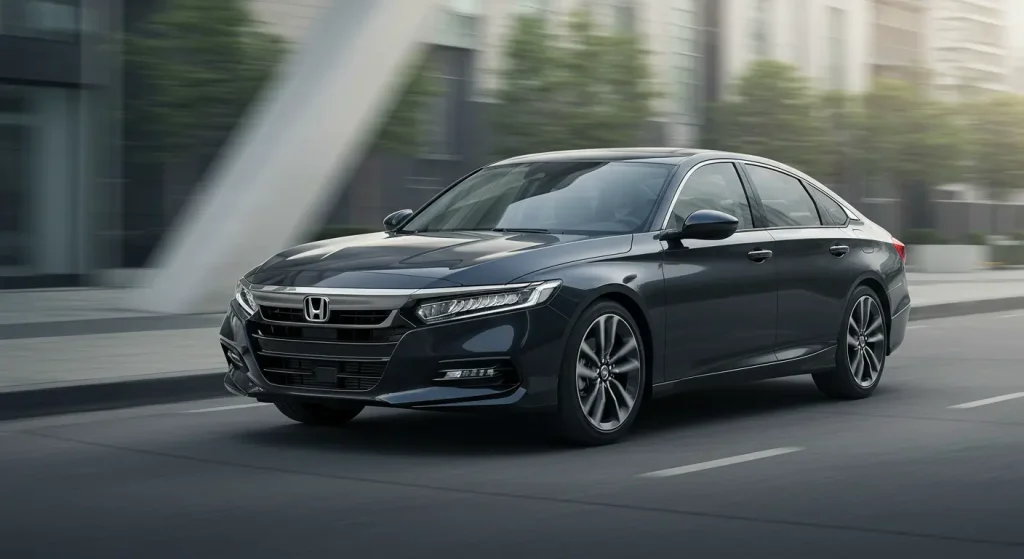
Should a Buyer Wait or Go with the Current Model?
If you are shopping now, here’s what to think about:
- If getting the latest design, tech, and green credentials matters, wait for the facelift or global version.
- If you want a vehicle now and don’t mind missing the newest features, the current model may offer good discounts soon.
- Check financing, warranties, and feature sets carefully; some benefits of the facelift may not matter to your use case.
FAQs: 2026 Honda Accord Facelift in China
Yes, for now. The facelifted version is designed specifically for the Chinese market. It may look different from the global model. Honda worked with local partners to build a version that fits Chinese buyers’ needs and style.
There are two choices:
A 1.5-liter gasoline engine with turbocharged power.
A plug-in hybrid electric car (PHEV).
It is a first in China where the Accord is receiving a PHEV option, allowing you to make use of electricity on short trips and gas on longer journeys.
According to Honda, it travels a distance of up to 60 to 80 kilometers (approximately 37 to 50 miles) with the electric power alone. Subsequently, the gas engine will follow. This works well for individuals who drive mostly within the city.
Yes. The front and back are redesigned to appear more modern. It has a new grille, new lights, and a cleaner bumper at the rear. It appears more aggressive than the old one.
The interior is now more technology-oriented and comfortable. Updates include:
A 12.3-inch touchscreen
Wireless Apple and Android Auto CarPlay.
Digital dashboard in higher trims
Better sound insulation
More soft-touch materials and lights
Not exactly. This version is for China. But some features, like the new screen or PHEV idea, might appear in future global models. Honda often uses what it learns in one market to improve others.
Since it’s new for the Chinese Accord, long-term reliability is not fully known. But Honda is known for building strong engines and hybrids. To help buyers feel safe, Honda will likely offer good warranties and support.
Final Thoughts: Can the Facelift Rewrite Honda’s Midsize Sedan Fate in China?
This facelift is bold. It addresses several gaps: offering a plug-in hybrid, updating cabin technology, introducing stronger styling, and adapting to the Chinese market’s needs. However, the success depends on execution, real PHEV performance, reliable turbo, good pricing, and dealer support.
If Honda can deliver on promises, this version can do more than refresh the Accord; it could reclaim leadership in China’s midsize sedan market.
Read More: Kia Sedona Years to Avoid