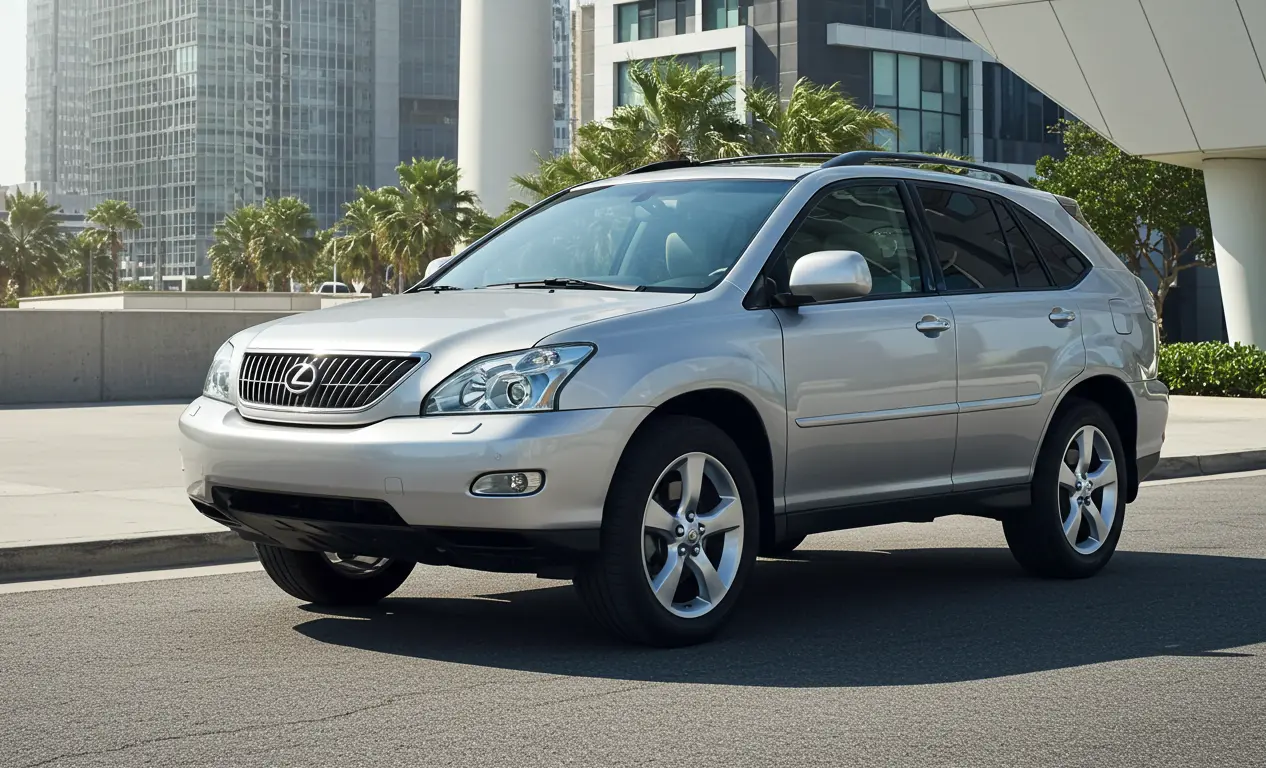
Lexus RX 330 Years to Avoid
If you’re shopping for a luxury SUV, knowing the Lexus RX 330 years to avoid can save you from costly repairs and unreliable performance. However, not all years are equal when it comes to dependability. Some years are more problematic with regard to failures, with issues around transmission failure, suspension wear, or engine problems requiring attention.
Before finishing a deal on a used Lexus RX, you have to choose a model year. The RX 330 and RX 300 will offer different levels of performance and reliability based on the model year. Selecting a vehicle every year helps avoid expensive repairs and ensures you have a reliable car for a smooth journey.
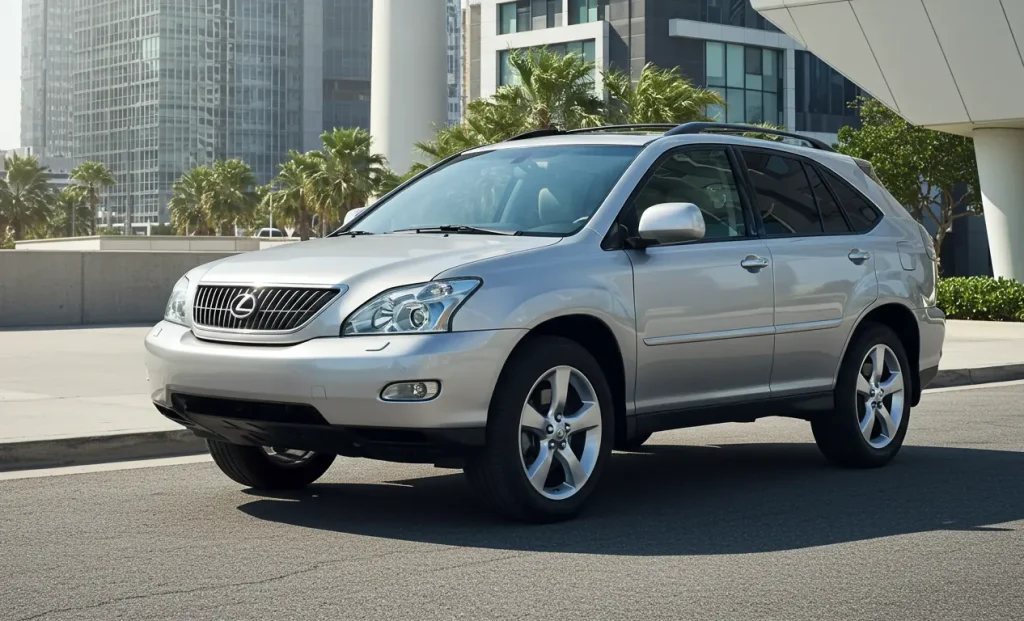
About the Lexus RX 330 and RX 300
The Lexus RX 330 was built from 2004 to 2006, and proudly belongs to a popular category of luxury crossover SUVs. This model has straightforward V6 power and offers luxury and ride perfection.
The RX 300 is a luxury-level SUV with some prior engine and design limitations. Knowing the pros and cons of all the model years will give you confidence in finding the right model for you.
What Years to Avoid the Lexus RX 330 and RX 300?
Here are the Lexus RX 330 and RX 300 model years you should avoid:
Lexus RX 330 Years To Avoid
When considering the Lexus RX 330 years to avoid, 2004, 2005, and 2006 stand out for their higher rates of transmission problems, steering issues, and radiator leaks.
- 2004 Lexus RX 330: Owners reported transmission failures, steering issues, engine oil sludge, and cracked dashboards. The transmission may shift roughly and cause jerking. Steering problems can occur at low speeds and may lead to accidents. Air conditioning and heater systems often fail early.
- 2005 Lexus RX 330: This model has transmission slippage, electrical problems with windows and locks, power steering leaks, and suspension issues. Owners often notice clunking sounds over bumps and inconsistent ride quality.
- 2006 Lexus RX 330: Common issues include engine knocking, premature engine wear, transmission delays, radiator leaks, and windshield trim problems. These problems can affect vehicle safety and performance if not addressed promptly.
Lexus RX 300 Years To Avoid
- 2001 Lexus RX 300: Owners experience early engine wear and VCT solenoid failures.
- 2003 Lexus RX 300: This model has issues with the charcoal canister and MAF sensor, which can reduce fuel efficiency and engine performance.
Common Problems in Lexus RX Models
Common issues you may face with Lexus RX 330 and RX 300 models include:
Common Problems in Lexus RX 330
- Engine oil sludge decreases the vehicle’s performance and can cause the engine to overheat.
- The transmission shifts very roughly or hesitates between shifts.
- The steering system may leak fluid or lose power assist, making the steering feel very heavy.
- The suspension system will wear out prematurely, and there may be clunking noises while driving through bumps.
- The air conditioning and heater may stop working effectively and struggle to maintain a stable cabin temperature.
- Electrical components, including power windows and dashboard indicator lights, may not work adequately.
- The radiator may leak coolant and lead to overheating of the engine.
Common Problems in the Lexus RX 300
- The failure of the VCT solenoid will disrupt the response of the VCT system, which will subsequently affect vehicle timing and fuel economy.
- The failure of the charcoal canister will trigger the check engine light.
- The MAF sensor will fail, producing issues in fuel regulation while reducing fuel economy and the performance capability of the engine.
Best Years for Lexus RX 330 and RX 300
Here are the best years for the Lexus RX 330 and RX 300:
| Model Year | Key Strengths | Why It’s Reliable |
| 2007 | Improved suspension, smoother transmission, better engine | Fewer sludge and A/C problems |
| 2008 | Refined ride, fewer electrical faults | Reduced transmission issues |
| 2009 | Strong safety features, minimal complaints | Solid engine and transmission performance |
| 2010 | RX 350 transition, better suspension, improved engine | Enhanced reliability and safety upgrades |
Greatest Years for Lexus RX 330
- 2007 Lexus RX 330: This model provides enhanced transmission, upgraded suspension, reduced electrical issues, and enhanced engine performance.
- 2008 Lexus RX 330: Owners have seen better reliability in the engine and transmission, improved reliability with air conditioning, and less bumpy rides.
- 2009 Lexus RX 330: This model has the lowest faults, provides solid safety features, and has the fewest engine or transmission problems.
- 2010 Lexus RX 330: This model adds many RX 350 features that provide better suspension, safer equipment, and better functioning.
Greatest Year of Lexus RX 300
- 2002 Lexus RX 300: This model is highly reliable, with few mechanical issues compared to other years, making it stand out from common 2002 Lexus RX300 problems. It takes advantage of a potent V6 engine and maintains relatively decent resale value.
How to Buy a Used Lexus RX 330?
- Test the transmission by shifting multiple times in various modes to make sure it shifts/changes gears smoothly and at appropriate times, usually without noticeable jerks.
- Check & inspect the suspension for problems, noticeable wear & tear, or noises.
- Check the steering for problem-free operations. Also check the power windows, power door locks, dashboard lights, and signals.
- Ask for a service history to verify if the vehicle was serviced well.
- Look for engine oil sludge or anything that would suggest excessive wear, such as audible engine noises or engine overheating.
How to Buy a Used Lexus RX 300?
When purchasing a used Lexus RX 300, you will want to look over each essential element to ensure that the vehicle will be dependable for you.
- Check the VCT solenoid in the Lexus RX 300 to ensure it functions properly, because if the solenoid is faulty, it can interfere with the engine’s timing and reduce your fuel economy.
- Check the MAF sensor in the Lexus RX 300 to make sure it is detecting airflow correctly because a failing MAF sensor could lead to wasted fuel and poor acceleration.
- Check the charcoal canister in the Lexus RX 300 for damage or blockage, because if the canister is faulty, it can turn on the check engine warning light and affect emissions control.
- Check the vehicle’s maintenance and repair history to ensure the Lexus RX 300 has received oil changes regularly, been serviced on schedule, and had any future problems in a timely manner.
- Take the Lexus RX 300 for a test drive to see if you can notice any strange noises, vibrations, or performance issues that could indicate underlying mechanical problems.
Engine Reliability
Here’s how the engine reliability compares for the Lexus RX 330 and RX 300:
Lexus RX 330
Overall, in later model years, the Lexus RX 330 can be a strong performer in terms of engine reliability. Still, earlier models may have issues developing engine oil sludge and transmission problems. Bad sludge can cause overheating, make gear shifting erratic, and result in costly repairs if it’s not fixed early on.
Lexus RX 300
The engine in the Lexus RX 300 is generally reliable, but there are some reports from earlier models of VCT solenoid failing or MAF faults. These issues can happen from time to time and will cause decreased performance, decreased fuel efficiency, and warning lights.
Fuel Efficiency
| Model | City MPG | Highway MPG | Year Range |
| RX 330 | 18 | 24 | 2004-2010 |
| RX 300 | 18 | 24 | 1999-2003 |
NHTSA Safety Ratings
Both the Lexus RX 330 and Lexus RX 300 have received good safety ratings from the National Highway Traffic Safety Administration (NHTSA).
- Later Lexus RX 330 models feature essential safety enhancements, including side-impact airbags and jackknife steering capability. It improves occupant protection during collisions.
- Both models are equipped with strong crash structures, effective restraint systems, and durable frames that enhance passenger safety in frontal and side impacts.
Lexus RX Recalls by Year
When buying a used Lexus RX 330 or RX 300, it is important to review the recall history of the specific model year. Recalls are issued to fix safety or mechanical defects, and checking them ensures you are choosing a safer and more reliable vehicle. Below is a list of the most significant recalls for problematic years.
| Model Year | Affected Model | Major Recall Reasons |
| 2004 | RX 330 | Brake booster defects; faulty airbag sensors. |
| 2005 | RX 330 | Loose steering components; fuel system leaks. |
| 2006 | RX 330 | Radiator support defects; side airbag inflator faults. |
| 2001 | RX 300 | Brake master cylinder wear; seat belt retractor faults. |
| 2003 | RX 300 | Airbag control faults; fuel vapor leaks. |
FAQs
You may encounter transmission delays, engine oil sludge, radiator leaks, and electrical problems in older RX 330 models.
The RX 330 provides strong reliability when you maintain it properly, especially in models from 2007 to 2010.
You should check the transmission, suspension, engine condition, steering, brakes, and service history.
With regular maintenance, an RX 330 can last over 200,000 miles.
Some model years had recalls for brakes, airbags, and steering components. You should check the VIN for recall history.
The RX 330 offers stronger engines, updated safety features, and improved technology compared to the RX 300.
Conclusion
When people think of comfort and trust in a luxury crossover SUV, they tend to think of the Lexus RX 330 and RX 300, but knowing the Lexus RX 330 years to avoid can save you from costly problems. Try not to take on the worst years, for example, avoid the RX 330 2004, 2005, and 2006, and the RX 300 2001 and 2003 models. The best years for the RX 330 are 2007 to 2010, and the best year for the RX 300 is 2002.
It’s essential to take your time before purchasing one of the models. You should do a thorough inspection of all the cars you wish to buy to review their maintenance history and check for potential transmission, suspension, and engine issues. This will ensure the vehicle is safe and enjoyable for you.