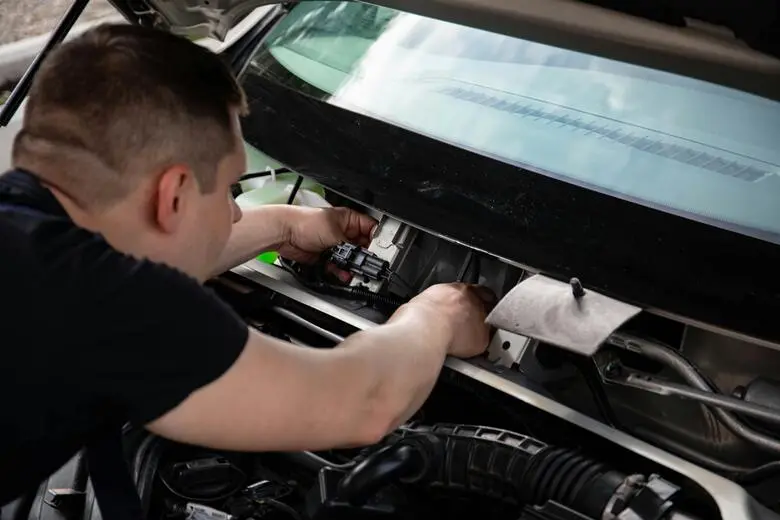
Simplifying Car Repairs for Every Driver
Maintaining cars is a situation that is most of the time stressful for drivers who have no mechanical knowledge. The fear of error, lack of proper tools, or harming the vehicle makes most people not even dare to do the simplest repairs.
Such reluctance leads to increased costs and unwarranted reliance on service centers for routine tasks. The fact is that nowadays it is easier than ever to maintain a car, as modern resources and simple methods have become easily available.
Even those without technical skills can be comfortable with simple tasks and are able to perform common repairs without putting their vehicles at risk, besides saving money through proper guidance and a systematic approach.
Oil Changes
One of the most feasible skills to have is changing your own oil. You will require an oil filter wrench, drain pan, jack stands, and the right oil and filter for your car.
This is achieved by heating the engine for a few minutes, carefully lifting the car, draining old oil, changing the filter, and pouring in new oil.
- This simple maintenance procedure saves $30 to $50 per change compared to what would be charged by a shop.
- It will assist you in getting to know your vehicle better and detecting possible issues such as leaks or damaged parts in the process.
Filter Replacements
Cabin filters and air filters are exceptionally easy to change. The air filters of most models need to be accessed by opening a plastic housing, removing the old filter, and putting in a new one. The whole procedure takes five minutes and costs half as much as shop rates.
- Cabin filters are usually located behind the glove box or under the dashboard.
- Their replacement enhances air quality and HVAC performance.
- These simple jobs instill the confidence to undertake more complicated jobs in the future.
Tire Maintenance
The skills of checking tire pressure, rotating tires, and wear inspection are necessary. A quality tire pressure gauge costs under $15 and assists in keeping inflation at the optimum level.
Tire rotation involves the use of a jack, jack stands, and a lug wrench. Proper rotation patterns will extend tire life by thousands of miles.
- The penny test or depth gauge will teach you to check tread depth so you know when to replace tires.
- Early detection of tire issues avoids blowouts and increases efficiency.
Tips on Making Repairs Less Complicated
Use a Step-by-Step Approach
Divide complicated tasks into manageable steps:
- Read the whole process first before beginning to know what it entails.
- Always prepare in advance all the tools and parts needed so that you do not have to halt halfway through repair.
- Take photos as you disassemble to remind you how things were put together when reassembling.
- Do not hurry and work steadily.
- Most errors occur due to either the omission of steps or being in a rush.
- When something does not make sense, halt and do research instead of forcing parts or improvising solutions.
Keep Tools Organized
Purchase a simple tool set and storage system:
- Socket sets, wrenches, screwdrivers, pliers, and a torque wrench are essential.
- Put everything in order so that you can locate what you need quickly.
- Label containers for small parts removed during repairs.
- Quality tools facilitate repair and avoid damage to fasteners.
- Although professional-quality tools cost more, mid-range tools from respectable brands are a very good solution for home mechanics.
Digital Tools and Resources
Modern technology has transformed the way we approach car repairs. When you repair your car with a digital manual, you receive specific procedures on how to repair your car depending on the make, model, and year. These detailed manuals consist of torque values, fluid capacity, and wiring diagrams, which cannot be provided by generic advice.
Digital resources have a number of benefits:
- Searchable content enables you to find certain procedures quickly without having to flip through pages.
- Interactive diagrams show exploded views of assemblies, making it easy to see how components fit.
- Video supplements show techniques that are hard to explain in text.
- Frequent updates keep you informed with the latest best practices and manufacturer specifications.
- Mobile access means you can consult procedures in your garage or parking lot.
These tools bridge the divide between professional mechanics and amateur hobbyists, delivering information that would be hard to obtain by ordinary drivers before.
Safety and Accuracy Matter
Meeting manufacturer specifications is not only about doing the job correctly but also about safety:
- Wheels may loosen as a result of improperly tightened lug nuts.
- Incorrect brake fluid causes a reduction in braking performance.
- Wrong oil viscosity may harm modern engines.
- Always use jack stands when working beneath vehicles.
- Never support the car’s weight on a jack alone.
- Wear safety glasses when working with fluids or power tools.
- Disconnect the battery before removing electrical parts.
Electronic manuals provide safety warnings specific to each procedure when you fix your car. These manuals point to critical stages where errors may result in injuries or damage to vehicles, ensuring that you work safely and efficiently.
Real-World Success Stories
Jennifer’s Brake Light Repair
Jennifer had to replace a burnt-out brake light, but had never attempted any repairs on a car. Instead of spending $40 at a shop for a five-minute task, she went online to get the specifics for her vehicle.
The online manual demonstrated precisely how to reach the bulb assembly inside the trunk, what type of bulb to buy, and how to fit it correctly.
The total repair took 10 minutes, and the bulb cost $8. More importantly, Jennifer felt empowered knowing she could tackle similar easy fixes on her own. She has since addressed air filter changes, wiper blade replacements, and fluid level checks independently.
Tom’s Oil Change Success
Tom avoided making an expensive error in replacing his oil by referring to detailed specifications before commencing. He found out that his turbocharged engine needed a certain grade of synthetic oil and a specific type of filter.
Installing generic components would have voided his warranty and may have damaged the turbo. The online manual not only helped him avoid a costly mistake but also made him confident that the work had been completed properly.
Building Your Repair Skills
Experience makes the process of fixing cars less intimidating. Begin with easy tasks and increase difficulty as your competence and confidence improve. All successful repairs educate you on the functioning of your car and simplify the process of subsequent maintenance.
The saved labor costs can be invested in quality tools that will make future repairs more effective. When maintenance is dealt with properly and patiently, most drivers are capable of handling much more than they originally thought.