Kia Sorento Years to Avoid: What You Should Know Before Buying
The Kia Sorento is a popular midsize SUV with three rows, a roomy cabin, and smart tech. It launched in 2003 and has four generations, with a major redesign in 2020. Most model years serve families well, but a few have costly issues. This guide explains which years to avoid, why they struggle, and what to check before you buy.
Quick Answer: Sorento Years You Should Skip
Based on owner reports, repair data, and common fault patterns, the years you should avoid are 2004, 2006, 2011, 2012, 2013, 2014, and 2016. These model years show higher rates of engine failure, oil–coolant mixing, electrical faults, airbag and ABS warnings, and lighting and door-latch problems. If you’re also cross-shopping family haulers, see the related Kia Sedona years to avoid for context on shared issues and better picks.
Kia Sorento at a Glance (2003–Present)
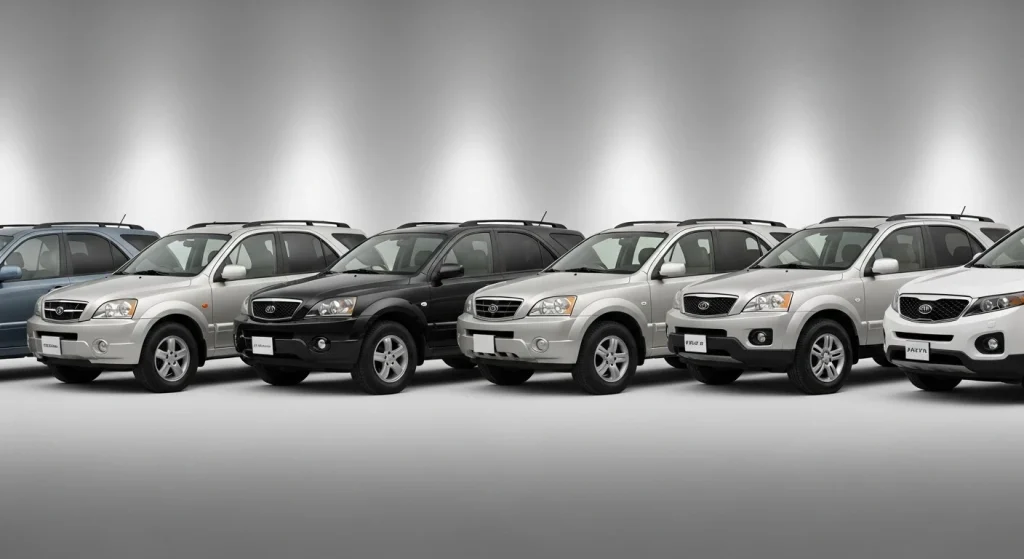
The Sorento moved from a body-on-frame setup to unibody construction in 2011, improving ride and fuel economy. Common powertrains include the 2.4L inline-4 and 3.3L V6, plus regional 2.2 CRDi diesel options. Reliability varies by year. Early builds during platform shifts often show more problems, especially in engines, wiring, and safety electronics.
Why These Years Struggle (Root Causes & Themes)
Some problems repeat across multiple model years. Knowing the patterns helps you inspect smarter and negotiate price.
Engine Architecture & Failure Modes
Problem years often suffer head-gasket failure, which lets coolant and oil mix. That leads to overheating, rod-bearing wear, and sometimes a blown cylinder (often cylinder #4). On V6 models, timing-chain tensioner complaints appear. Drivers report stalling, misfires, rough idle, ticking or knocking, and sudden engine shutdowns under load.
What to check under the hood
Look for milky residue under the oil cap, bubbling in the coolant reservoir, and burnt-oil smells. During a cold start, listen for rod knock or loud ticking. A quick cooling-system pressure test and compression/leak-down test can prevent a very expensive mistake.
Electrical & Electronics
Wiring harness faults and poor solder joints can trigger door-lock and latch failures, alternator issues, parasitic battery drain, and cluster or infotainment glitches. You may see intermittent lighting or modules that reset at random.
Easy driveway diagnostics
Check all exterior lights, windows, locks, and the tailgate. Watch voltage at idle with HVAC and lights on; unstable voltage suggests alternator or wiring trouble. Scan for stored ECU, ABS, and SRS codes.
Safety & Chassis Systems
Troubled years show airbag warning lights, seat-belt tightening or sticking, and ABS module faults. Some drivers also note a soft brake pedal or inconsistent ABS activation. These issues can be expensive and affect safety.
Brake and ABS sanity checks
On a test drive, perform a few controlled stops from city speeds. The pedal should feel firm, and the ABS light should stay off. If warning lights appear, scan the system before negotiating.
Body, Paint & HVAC
Owners report peeling or fading paint, worn door hardware, and HVAC compressor or heater-core failures. These problems don’t always strand you, but they add up in repair and ownership costs.
Cabin comfort quick look
Confirm cold AC at idle, warm heat at speed, and stable fan speeds. Inspect clearcoat and trims around door seals for early failure.
Year-by-Year Guide: Problem Models & Symptoms
Each summary below explains the most common complaints and what you should confirm during inspection.
2004 — Early Electrical & Head Gasket Headaches
Many 2004 Sorentos suffered head-gasket leaks and electrical faults. Symptoms include frequent check-engine lights, overheating, and lights or accessories failing without warning. Some owners needed major engine work around 70,000 miles.
Key symptoms to spot
Watch for coolant loss with no visible leaks, sweet exhaust smell, and heat that cuts in and out at idle. Inside, test every switch, latch, and window to catch wiring gremlins.
2006 — Rod Knock & Hardware Wear
By 2006, some improvements landed, but rod knock remained a risk that can force a rebuild. Owners also complained about hard-to-use door latches and worn suspension components earlier than expected.
What to check on a drive
From a cold start, listen for lower-end knock that fades but returns under load. On rough roads, note clunks from control arms or struts. Check the driver door for uneven latch effort.
2011 — The Red-Flag Year
The 2011 Sorento is often cited as the most problematic year. Common issues include engine failure, stalling past the 70k-mile mark, ticking/knock, and airbag/seat-belt faults. Many owners also report doors that won’t open from the outside. Engine replacement bills around $4,600+ are not unusual.
Pre-purchase reality check
If you’re still considering a clean 2011, insist on a compression test, a borescope look at cylinder walls, and a full SRS/ABS scan. Confirm all doors, latches, and exterior handles work perfectly.
2012 — Oil Consumption & Wiring Gremlins
The 2012 model year brought high oil consumption, stalling, and wiring and soldering faults on electrical panels. Owners report problems with lighting, infotainment, and door electronics that come and go.
Simple owner-level tests
Check oil level after a long test drive and again the next morning. If the level drops quickly or the tailpipe shows blue smoke under throttle, walk away. Cycle the infotainment, lights, and locks several times in a row.
2013 — Overheating, Stalling & Accessories
Many 2013 Sorentos experienced overheating and abrupt shutdowns, sometimes with strong vibrations. Accessory failures include Bluetooth, seat-release levers, seat warmers, and cluster lights.
Heat-soak and accessory checks
After the drive, let the car idle with AC on. Watch the temperature gauge and listen for fans. Test seat heaters, folding levers, and Bluetooth pairing. Any flicker or dropout is a red flag.
2014 — Timing Chain & Oil Leaks (V6)
On some V6 models, owners reported timing-chain tensioner issues and oil leaks, along with the lingering electrical and paint-peel complaints from earlier years. A noisy chain on cold start or delayed oil-pressure buildup hints at wear.
Chain and leak clues
Listen for rattle at startup and brief revs. Check under-car drips and the back of the engine for seepage. Inspect paint at roof rails, door edges, and liftgate for early clearcoat failure.
2016 — Rod Bearings, ABS & Wiring (The Third-Gen Setback)
The 2016 Sorento looks modern and drives well, but many owners faced rod-bearing failure, ABS module faults, and parasitic battery drain. Some reported engine seizure before 60,000 miles, with repair bills that can exceed $6,000. You may also see rodent-damaged wiring in the engine bay because of soy-based insulation used by many brands in this era.
What to check before you commit
Warm the car fully, then do a long uphill pull. Listen for a knock under load and watch for low-oil-pressure warnings. Cycle the brake system during a test drive; the ABS light should stay off. With a multimeter, check resting battery draw after shutdown; a high draw hints at a module or harness issue.
Common Sorento Problems Across Affected Years (Pattern Map)
You can save time and money by looking for the failure families below. These patterns repeat across 2004, 2006, 2011–2014, and 2016.
Engine & Cooling
Head-gasket failure allows coolant–oil mixing, which leads to overheating, rod-bearing wear, and sometimes a blown cylinder (often cylinder #4). On some 3.3L V6 models, timing-chain tensioner wear causes a rattle at startup. Misfire, ticking, and sudden stalling are common warning signs.
Quick under-hood tells
Check for milky residue on the oil cap, bubbling in the reservoir, and pressure loss after a cooling-system test. A compression or leak-down report is ideal for any borderline car.
Transmission & Driveline
Owners describe slipping, humming, or juddering—often paired with the 2.4L I4. Old fluid, heat, and buggy software make things worse.
Road-test clues
From a steady cruise, roll into the throttle and feel for flare between gears. On decel, harsh downshifts suggest valve-body wear. Ask for fluid-change records and any TSB flashes.
Electrical & Lighting
Troubled years show alternator failures, low-beam melting, fuse and solder faults, and parasitic draws. Door latches and exterior handles can fail without warning.
Five-minute electrical sweep
Turn on every light, window, and lock. Watch for flicker in the cluster and infotainment. Measure charging voltage at idle with HVAC and lights on; unstable readings point to wiring-harness or alternator issues.
Safety Systems (SRS & ABS)
You may see airbag lights, seat-belt pretensioner warnings, or ABS faults. These can be software- or module-related and are not cheap.
Basic safety scan
A quick OBD-II scan for SRS and ABS codes is worth it. Confirm the steering-angle sensor calibrates, and verify wheel-speed sensor outputs are clean.
HVAC & Interior Electronics
AC compressor clutch failures, heater-core issues, and intermittent Bluetooth or cluster backlights show up in the risk years.
Comfort checks
At idle, confirm cold AC, then on the road, confirm steady heat. Test seat heaters, power release levers, and steering-wheel controls for intermittent dropouts.
Body, Paint & Trim
Older Sorentos can show peeling or fading paint, weak clearcoat, and tired door hardware.
Exterior walkaround
Inspect roof rails, liftgate edges, and door sills for clearcoat failure. Check weatherstrips for cracking and wind noise.
Repair Costs & When Problems Appear
Big failures often appear between 60,000 and 80,000 miles, though abuse or neglect can bring them sooner.
- Engine replacement or rebuild: $4,000–$6,500+, depending on region and parts.
- Timing-chain and tensioner (V6): often mid-four figures with guides and seals.
- ABS module replacement and programming: low- to mid-four figures.
- Alternator, harness repairs, parasitic draw diagnosis: a few hundred to $1,500+.
- Door-latch and exterior-handle repairs: typically $150–$450 per door.
How maintenance changes the math
Shorter oil-change intervals, quality coolant, and early leak fixes reduce the chance of a full engine job. Records matter. A Sorento with documented TSBs, clean oil history, and recent timing-side work is worth more.
Safer Sorento Years to Buy (Shortlist)
If you want peace of mind, short-list 2007–2009, 2010, 2015, 2017–2020, and 2022+. These years tend to carry fewer catastrophic engine complaints and better electronics QA.
Why these years fare better
Continuous fixes improved head-gasket materials, chain components, and module reliability. Later software and hardware revisions cut nuisance faults.
Pre-Purchase Checklist (Used Sorento)
Use this list during a viewing. It keeps the test simple and objective.
Under-Hood & Fluids
Open the oil cap for milkiness, check coolant color, and sniff for fuel. After a long drive, recheck the coolant level. Bring a UV light to spot seepage at timing covers and cam caps.
Must-do tests
- Cooling-system pressure test (holds pressure for 10–15 minutes).
- OBD-II scan for pending misfires, SRS, and ABS.
- Charging test at idle with load.
Road Test & Brakes
From cold, listen for a knock or chain rattle. On a hill, add throttle and feel for slip. Perform several firm stops; the pedal should be consistent, and the ABS light should stay off.
Steering and suspension
Over ripples, listen for clunks and watch for wandering. Uneven inner-edge tire wear points to alignment or bushing issues.
Electrical & Lighting
Cycle headlamps (check for low-beam heat damage), hazards, and interior switches. Confirm all doors open from the outside and lock/unlock smoothly.
Battery health
After the shutdown, measure the current draw at the battery. A high draw hints at a module staying awake.
HVAC & Interior Electronics
Verify AC compressor engagement, heat at idle, and stable fan speeds. Pair a phone for Bluetooth and check audio cutouts. Test seat heaters and the cluster dimmer.
Paper Trail
Ask for: oil-change intervals, coolant service, timing-side work on V6, ABS/airbag module replacements, and recall closures. A car with clean paperwork beats a low-mileage unknown.
Ownership Tips if You Already Have a Risk Year
You can manage risk with preventive care.
Proactive maintenance
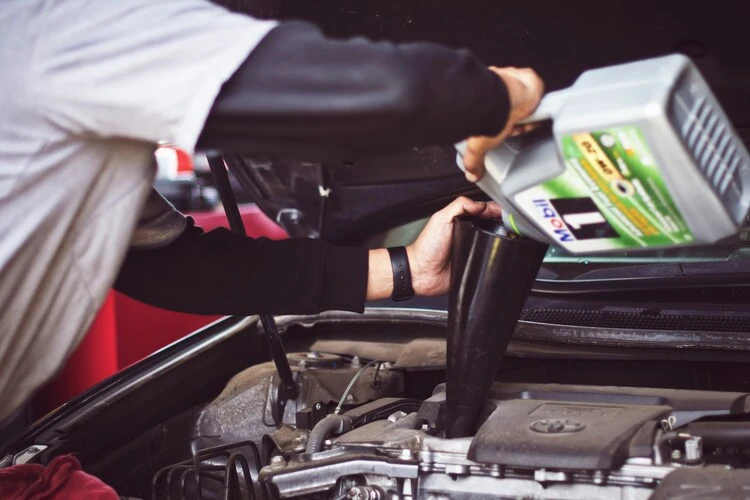
Run shorter oil intervals (e.g., 5,000 miles), use OEM-grade filters, and replace coolant on schedule. Consider oil analysis to spot bearing material early.
Software and hardware updates
Check for PCM/TCM updates and ABS module software. Replace tired PCV valves, clean grounds, and protect harnesses with rodent-resistant wraps if you park outdoors.
Document and escalate
Keep a symptom log, videos of noises, and scan reports. If a failure occurs near a known weak point, documentation helps with goodwill assistance.
Alternatives & Cross-Shopping
If you need a family hauler but want to avoid the risk years, look at the Toyota Highlander, Honda Pilot, or Hyundai Santa Fe. Each has its own quirks, but their engine and electronics records differ by generation. Compare powertrains, safety tech, and ownership costs before you decide.
Frequently Asked Questions
Most shoppers should avoid 2011. It concentrates on engine failures, airbag/seat-belt faults, and door-lock issues, with engine replacement costs that can sting.
No. Problems cluster in 2011–2014 and 2016, mainly the 2.4L I4 and some 3.3L V6 setups. By 2017 and later, many issues taper off.
An engine replacement or full rebuild. Some 2016 cars add ABS module and wiring costs on top, which pushes totals higher.
Yes—if you avoid the red-flag years, verify service history, and confirm recalls and TSBs are complete. A well-kept 2015 or 2017–2020 can be a solid family SUV.
Older risk-year cars can sell cheaply but may hide big repairs. Expect under $10k for early 2010s drivers and mid-$20k for clean 2018–2020 examples, depending on mileage and condition.
Conclusion: Buy the Right Year, Avoid the Headaches
If you steer clear of 2004, 2006, 2011–2014, and 2016, the Kia Sorento can be a dependable, comfortable SUV. Focus on 2010, 2015, 2017–2020, and 2022+, verify maintenance and software updates, and run the checklist before you sign. This approach keeps ownership costs predictable and your family’s road trips stress-free.