The True Cost of Vehicle Ownership in 2026: More Than Just Fuel and Maintenance
In 2026, owning a car is more than just paying for fuel and booking service appointments from time to time. With the state of the economy, owning a car is a major decision that people need to think through properly before committing to. Sure, petrol prices and maintenance are always visible and can always be taken into consideration when budgeting. However, there are other expenses that are notoriously unpredictable in terms of how much they would cost a car owner.
If you are a responsible car owner, you know that you have to think of more than just the vehicle itself. After all, there are many other bills to pay aside from the ones associated with car ownership. For instance, some people are paying for both a house and a car at the same time.
When it comes to this kind of situation, it’s best to be well-prepared. Preparedness is manifested in investing in car insurance, home insurance, and even health insurance. This way, people will still be able to manage even when unexpected circumstances arise. These days, insurance is no longer a luxury. Instead, it has become a practical necessity.
Insurance Premiums and Risk Factors
Aside from the initial cashout when paying for a car’s down payment, car owners need to think about insurance premiums as well. This is because car repair prices can skyrocket, which means that car owners need to plan ahead if they don’t want to pay a lot of money upfront due to accidents or acts of nature.
When it comes to insurance, premiums are influenced by driving history, age, vehicle type, engine size, location, and claims record. Insurers have also recently adjusted pricing to reflect increased repair complexity. This should be taken into consideration by car owners.
Modern cars are more expensive to repair because they contain sensors, cameras, and electronic control units. Even though collisions are minor, repairs would still cost a lot.
Even car owners who store their cars at home still have to face risks. These risks are mostly environmental, such as those caused by severe weather events. Therefore, it’s best to invest in comprehensive insurance so that everything will be covered, including environmental risks.
Maintenance, Repairs, and Technology
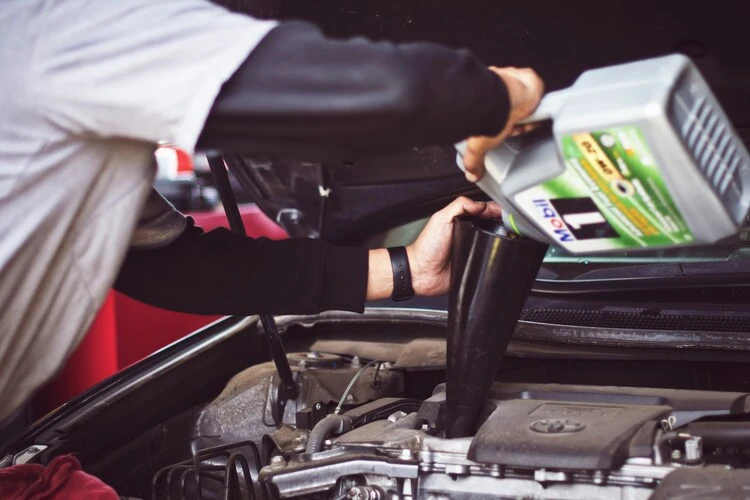
Car maintenance is very important. After all, it’s the key to guarantee vehicle longevity and safety. Therefore, car owners must not ignore preventive maintenance at all. Failing to comply with preventive maintenance will lead to higher repair costs down the line.
Even modern vehicles have no excuse. Despite advanced electronics and software making car maintenance easier, it’s still going to cost a lot of money if preventive maintenance is skipped. For electric vehicles, repairs for battery systems and high-voltage components are the things that raise the price of repairs. But if these are taken care of and preventive maintenance is complied with religiously, car owners will find that they have less to worry about than those who don’t follow maintenance schedules.
Taxes, Registration, and Compliance
Vehicle taxation policies in 2026 often reflect environmental considerations. Emissions-based tax structures may increase annual fees for higher-emission vehicles while offering incentives for low-emission alternatives. Registration renewals, roadworthiness testing, and inspection fees also contribute to the yearly ownership budget.
In urban areas, congestion charges or low-emission zone fees may apply. These regulatory measures are designed to manage traffic and improve air quality, but they add to the financial burden for certain drivers.
A Broader Financial Perspective
The true cost of vehicle ownership in 2026 extends far beyond filling the tank or scheduling a service. It includes depreciation, insurance, regulatory compliance, energy expenses, technological complexity, and financing considerations. For households managing multiple major assets, coordinated risk management plays a crucial role in financial stability.
Drivers who understand these interconnected costs are better positioned to make informed decisions about vehicle choice, insurance coverage, and long-term budgeting. In an evolving automotive landscape shaped by technology, climate considerations, and economic shifts, awareness remains one of the most valuable tools an owner can have.