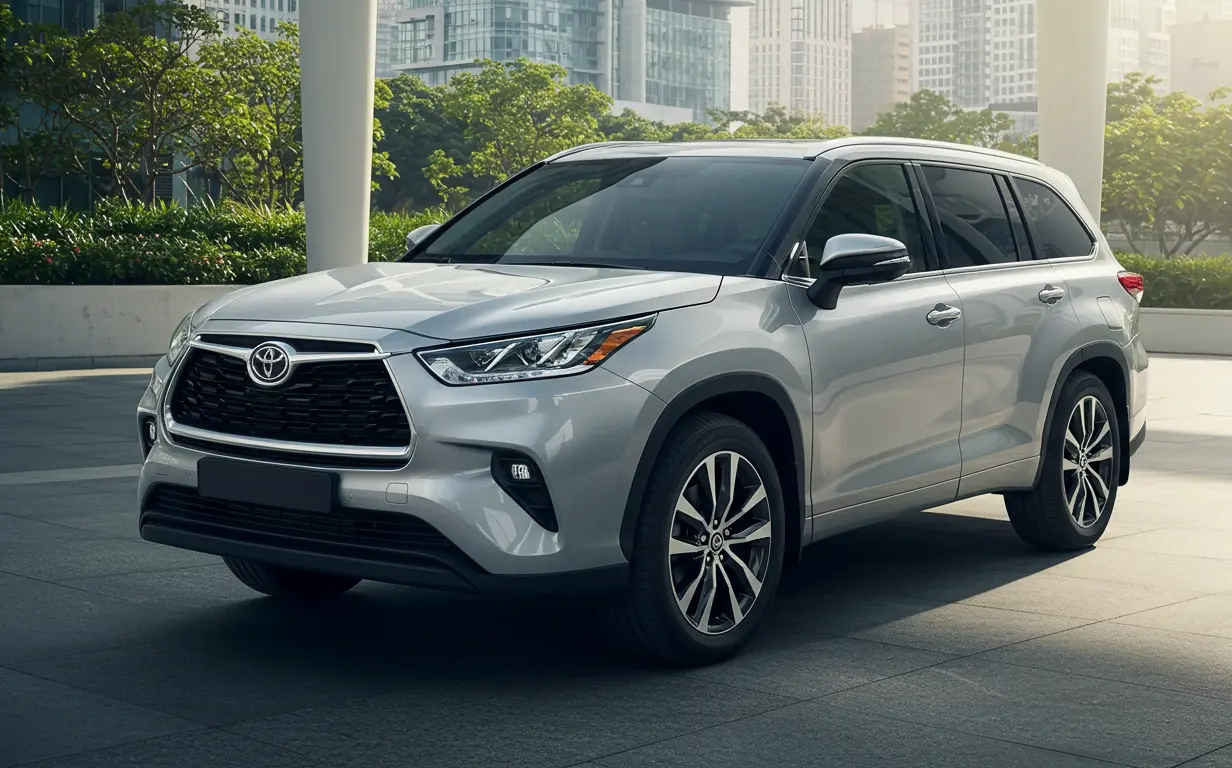
Discover Toyota Highlander Years to Avoid and Find the Best Models for Lasting Reliability
The Toyota Highlander is a good solution when it comes to families and those who want to explore the world, which is why it should be considered when shopping for a used SUV. The Highlander has been a competitive vehicle player in the mid-size SUV market with its popularity for being trusted and comfortable. Nevertheless, like in the case with any automobile, not all model years are equal.
There are years when there are more issues than in other years, resulting in expensive repairs and increased tension. To prevent these pitfalls, it is vital to be aware of the’ Toyota Highlander Years to avoid, as well as which cars are distinguished by their reliability. This article will guide you through the good, the bad, and everything in between, enabling you to make an informed decision.
Toyota Highlander Years to Avoid Matters
Toyota Highlanders have usually had a good reputation for being strong and durable. However, some model years have been identified as having recurring mechanical and electrical problems that impact the ownership experience. Choosing the wrong year may cause inconveniences like transmission, engine or annoying technical problems that you never thought of.
Knowing these weaker years will save you money spent on repairing your car, and it will save you the hassle of having to daeal with unpredictable failures. It can also be applied in the process of making an informed decision when one is buying a used Highlander because it assists in always choosing a car with a record of high reliability.
A Closer Look at Toyota Highlander Generations and Their Reliability
It’s easier to understand which years to avoid when you know the four generations of the Toyota Highlander and the advancements or drawbacks they introduced.
Generation Years Important Highlights and Reliability Concerns.
First Generation 2001–2007 Prolonged engines, although older models can be
worn out.
Second generation 2008- 2013. Introduced new design,s but was troubled by
transmission and oil coolers.
Third Generation 2014-2019: Better engines, although early models had technology and transmission problems.
Fourth Generation 2020-Currently, New technology, hybrids, minor initial transmission, and software flaws.
Toyota Highlander Years to Avoid: Every generation has its pros and cons. The first-generation Highlander is, as an example, commended as long-lasting but lacking in modern features. The third generation was stronger and more technologically superior, with a few initial growing pains. This awareness of these nuances will enable you to identify the trouble spots.
Toyota Highlander Years to Avoid The Problematic Models
According to the owner reviews, repair records, and expert evaluation, the following are the Highlander model years that have demonstrated more issues than others:

2003 Toyota Highlander
The initial generation is usually solid, but the 2003 model did have its own fair share of problems. Engines may also develop sludge as a result of poor oil maintenance, leading to significant engine damage. Additionally, the automatic transmission was also known to experience premature wear, which required expensive repairs.
2008 Toyota Highlander
The 2008 model was the first in the second generation, but there were some updates in it, which, however, created new issues. It must be mentioned that the oil cooler line had leakages this year, and if they go unnoticed, they can lead to overheating or the engine breaking down. The interior quality was also not as good as before, resulting in further wear and tear in the cabin.
2015 Toyota Highlander
The third generation had a few initial transmission problems. The 2015 model was infamous for coarse shifting and stuttering, which can result in a rough ride and premature transmission wear. Another glitch with the infotainment system and the backup camera was also reported by the owners, and aggravated many of the buyers.
2016 Toyota Highlander
The problem of electrical issues, particularly with the infotainment system, was common in 2016. Drivers also complained about the high level of road and engine noise, which made driving unpleasant. These issues had an impact on the general satisfaction with ownership.
2020 Toyota Highlander
The latest generation came with modern technology and the hybrid choice. Nevertheless, in early 2020 models, there was transmission roughness and software bugs in the new tech features. Although these issues were generally alleviated in subsequent models, the initial adopters had a frustrating experience.
What Makes These Years Problematic?
Toyota Highlander Years to Avoid. Knowing the reasons these model years are problematic can help you prevent them and notice warning symptoms:
Transmission Problems: Jerky shifting, slow gearing, or slipping gears could result in wear of the transmission, and thus be expensive to fix.
Pollution Engine Sludge and Oil Leaks: Sludge or oil spillages can also be the result of improper design or maintenance, which can destroy the life of the engine.
Electrical Glitches: Convenience and safety features are affected by Infotainment bugs, faulty sensors, or camera bugs.
Interior Quality and Noise: Easily worn materials or poor acoustics may lead to a decrease in long-term comfort.
The Best Toyota Highlander Years to Buy for Reliability and Value
There are no problems that all Highlanders bring. The truth is that some years are excellent in terms of performance, low maintenance costs, and high owner satisfaction. The following are some of the most appropriate years:
2007 Toyota Highlander
The 2007 model is the final year of the first generation, which is famous its powerful engine and efficient transmission. It is also an easy-to-ride vehicle with good safety ratings. Most owners claim that these automobiles remain smooth, even after covering 150,000 miles or more.
2011 to 2013 Toyota Highlander
The second generation years ironed out most of the previous transmission problems and introduced some improvements to the engine and the suspension. Interior materials are durable, and the ride is smooth. These years are a good choice because of the higher level of safety aspects.
2017 to 2019 Toyota Highlander
At this point the third generation had come of age. The models have a powerful V6 engine and an 8-speed automatic drive, which accelerates smoothly and has better fuel usage. Most trims were equipped with high-level safety including Toyota Safety Sense, providing an additional assurance.
2021 Toyota Highlander
By the 4th generation, most of its initial problems were ironed out. The technology systems are more stable, and the hybrid model offers great fuel economy. It is a perfect option that a family would want because the interior is trendy, expansive and cozy.
How to Choose a Reliable Toyota Highlander That Won’t Let You Down
Even though you are not in trouble in the problem years, it is always a good policy to conduct your research when buying a used Highlander.
Here’s how:
Check the Vehicle’s Maintenance History
Request a comprehensive service history to make sure that the previous owner maintained the process of changing oils, fluids that fill the transmission system, and other routine services. The better-kept Highlander will be much more reliable.
Research Recalls and Common Problems
Visit Internet resources like the site of the National Highway Traffic Safety Administration (NHTSA) to find out whether your desired model has had any pending recalls or whether there are frequent issues with the model as users have mentioned.
Do a Thorough Test drive
During the test drive, you are supposed to listen to the smoothness of the transmission, any strange engine sounds and the braking system. Check all electronic parts, such as infotainment system and backup camera.
Get a Professional Inspection.
Go to a reliable mechanic and make them carry out a pre-buying check up on the car. They are in a position to view behind the scenes, e.g. fluid leaks, old suspension parts, or engine wear that might be hidden.
Take into account the Total Cost of Ownership.
The only other factors to add to the cost of buying the car are the insurance, fuel use, maintenance and repair charges.Specific Highlander models fitted with state-of-the-art technology/hybrid engines may be more expensive to service.
Common Reasons Buyers Regret Certain Highlander Models
The beginning of avoiding regret is to understand why some owners of Highlanders wish they had made a different decision. The main complaints include:
Transmission Failures: It is one of the most frequent and expensive problems in some years.
Engine Problems: Not maintained or designed in such a way that results in sludge or leaks.
Infuriating Technology: Backup system malfunctions and Infotainment problems
Surprise Repair Bills: When driving to the mechanic becomes a routine, it will cost you both time and money.
Inadequate Cabin Comfort: Noise issues and subpar interior finishes compromise the driving experience.
Quick Reference: Toyota Highlander Years to Avoid vs. Best Years
| Model Year | Recommendation | Main Issues or Highlights |
| 2003 | Avoid | Engine sludge, transmission problems |
| 2008 | Avoid | Oil cooler leaks, poor interior durability |
| 2015 | Avoid | Rough transmission, electrical glitches |
| 2016 | Avoid | Electrical bugs, excessive noise |
| 2020 | Avoid | Early transmission and software issues |
| 2007 | Recommended | Reliable engine and transmission, good safety |
| 2011–2013 | Recommended | Improved transmission, durable interior |
| 2017–2019 | Recommended | Powerful engine, smooth transmission, advanced safety |
| 2021 | Recommended | Refined tech, hybrid option, high safety scores |
Final Thoughts: Toyota Highlander Years to Avoid
In order to possess a durable and a high-performing Toyota Highlander, it is important to prevent years of inconvenience. Toyota Highlander Years to Avoid: You should also know the years that lacked years experience in durability and have the most complaints. During the purchase of a car, it is important to examine the history of the vehicle in detail and to conduct a detailed inspection of the car, as well as to take into account the models that would provide a good balance between performance, safety, and comfort.
In this way you may well expect your Highlander to be a faithful companion, and worth a dependable ride many years to come. Whether you are a family needing the space or you just like going on adventures on the weekend, the right Highlander year can make a difference between success and failure.
FAQs: Toyota Highlander Years to Avoid
It also had oil cooler line leakages that were susceptible to damaging the engine unless addressed, as well as inferior interior materials that wore out easily.
The 2007 model, the 2011-2013 model, and the 2017-2019 model are renowned for their reliability and cost-effectiveness in maintenance.
The 2021 model has actually addressed most of the original issues of the fourth generation and has revised the technology, safety, and hybrid versions.
Check service records, take a test drive, and have a professional inspection; shun away the years mentioned as problematic.
Read More: Toyota Compact Cars