Why Tailgating Can Lead to Serious Injury and Legal Issues
Tailgating is following the car in front of you too closely. Not just a little close, but dangerously close. Most laws don’t actually use the word tailgating. Instead, they talk about keeping a reasonable or prudent distance.
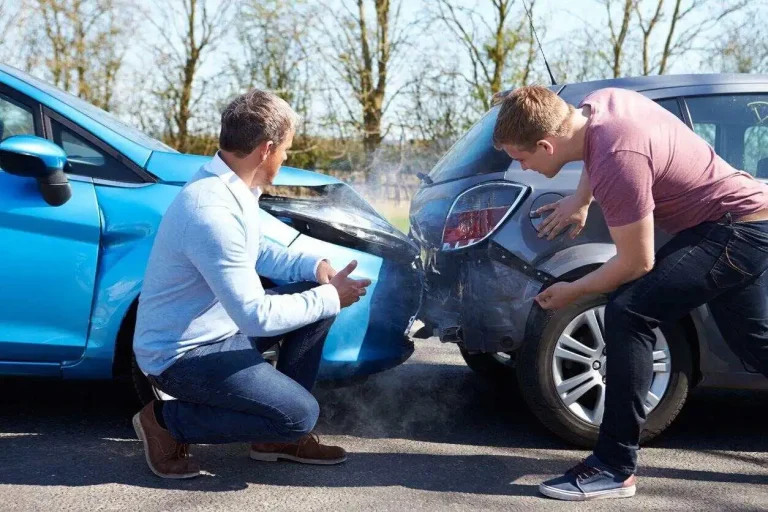
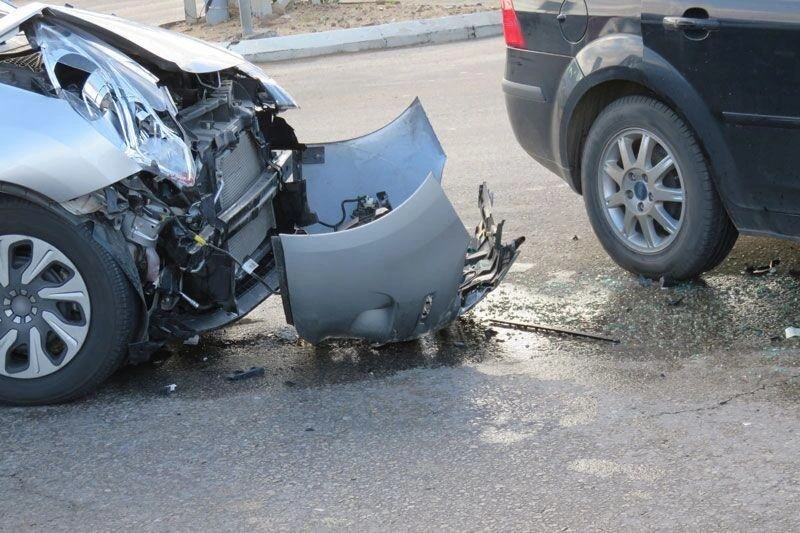
About 1.7 million rear-end crashes happen in the U.S. every year. Many of these accidents were caused by people who fail to realize that keeping a safe following distance matters.
Tailgating isn’t just annoying; it’s dangerous, plain and simple. You’re driving down the road, maybe just minding your own business, and suddenly there’s a car right on your bumper. You can feel their presence, your stomach drops, and your brain is suddenly racing through every possible thing that could go wrong. That’s tailgating.
It happens all the time, and a lot of people don’t even realize how risky it really is.
Why People Tailgate
People tailgate for all sorts of reasons. Some make sense; most don’t. Some are angry, some are impatient, some think they’re saving gas, and some just aren’t paying attention.
Road rage is a big one. Drivers get frustrated if someone is going too slow or blocking the passing lane. They think that if they ride your bumper, you’ll speed up or get out of the way. Then there’s traffic. Maybe they’re trying to merge into another lane or make an upcoming exit. Riding close gives them a few extra feet to squeeze in.
Even some big vehicles do it for fuel savings, which seems crazy. Riding right behind another car reduces wind resistance a little. But the small fuel savings are not worth the massive risk of a high-speed collision.
Physical Dangers of Tailgating
Tailgating is dangerous in more ways than one:
- Blocked Vision: Being too close means your vision is blocked. You can’t see traffic slowing down ahead, you might miss debris, you might miss a car braking unexpectedly.
- Less reaction time: It also slashes your reaction time. On a dry road, it’s dangerous. If the road is now wet and icy, it is literally a disaster about to happen. Big vehicles take even longer to stop. A semi-truck following too closely can’t just slam the brakes and hope for the best.
- Chain of crashes: When tailgating crashes happen, they’re usually worse than single crashes. Tailgating creates a chain reaction. One sudden stop, and suddenly it’s multiple cars, multiple injuries, maybe fatalities.
- Stress-induced risk-taking: Then there’s the stress factor. Being tailgated makes people anxious, makes them panic, and makes them do things they normally wouldn’t. They might brake suddenly, swerve, or speed up. It escalates fast, and the tailgater often doesn’t even notice the chaos they’re causing.
Legal Consequences of Tailgating
If you’re the tailgater and things go wrong, here’s what might happen:
- Traffic tickets – for aggressive driving or not keeping a safe distance.
- Paying for damages – the law could tax you to pay for compensation to the victim. The compensation should be enough to cover their medical bills, car repairs, lost wages, and even pain and suffering.
- Higher insurance – after the accident that you caused, your premiums can go way up, sometimes for years.
- License trouble – multiple crashes or serious incidents could get your license suspended.
- Criminal charges – in some states, serious tailgating accidents can even be treated as a crime.
How Far Back Should You Go?
Here’s a guide on how you can use a safe following distance to avoid tailgating:
- Two seconds behind a regular car in good conditions.
- Three seconds for small trucks or vans.
- Four to eight seconds for big trucks, trailers, or poor weather.
The bigger the vehicle, the more space you need. If the weather is bad out there, then you should double or triple the gap. If you’re driving at night, you should give yourself extra seconds. The road is unpredictable, and the extra distance gives you the time you need to react.
Key Takeaways
- Tailgating is extremely dangerous.
- People tailgate for many reasons, such as anger, impatience, traffic, or just not paying attention.
- Following too closely blocks your view. You can’t see what’s happening ahead.
- Tailgating reduces reaction time. The closer you are, the less time you have to stop safely.
- Tailgating can get you a ticket, make you pay for damages, or even raise insurance rates.