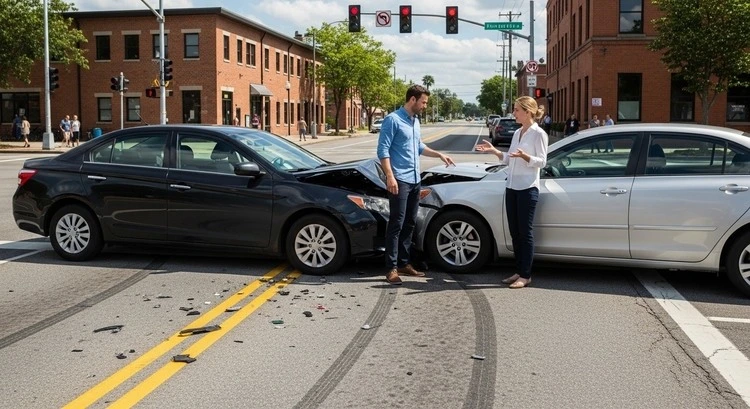
What To Do If You’ve Been In A Minor Car Accident
A small impact may occur within a car park, at a crossroad, or in a traffic jam. Although it might seem like minor damage, the choices that you make at the moment matter. They affect the safety, insurance claims, and the costs of the repairs.
Following the right procedures will prevent complications in the future.
Check safety first
Safety is your first duty. Pull over. Then, switch on your hazard lights. Check yourself and your passengers for injuries. A low-speed collision can lead to slight physical strain. Therefore, take some time to assess the circumstances.
In case the car is caught in a traffic jam, and it still runs, pull it to a secure place. It could be the shoulder of the road or an adjacent parking lot. This eliminates the chances of a second accident and ensures traffic safety.
In case someone is hurt, call the ambulance.
Calm down and evaluate the situation
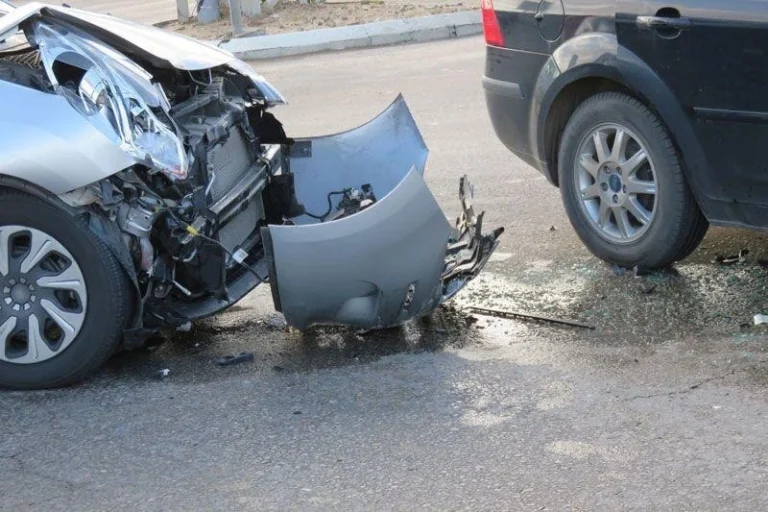
Once you are sure everyone is safe, stay calm and analyze the situation. Most of the minor accidents involve cosmetic car damage, such as:
- Scratches
- Dents
- A broken bumper.
This means you will need Car Body Repair later. But first, document the scene.
Take note of the:
- Car damage
- Road conditions
- Weather conditions
- Traffic signage in the area.
This data will come in handy when making insurance policy claims or police reports.
Share information with the other driver
The majority of jurisdictions require drivers who were involved in an accident to share information. Maintain a cordial and professional dialogue.
Gather the following information:
- Full name
- Contact details
- Driver’s license number
- Registration of the vehicle
- License plate number
- Insurance company
- Policy number.
Give the same information to the other driver. Do not admit guilt. Insurers or authorities should determine the accident liability after considering the facts.
Sometimes, the other driver might not cooperate. In that case, get the vehicle license plate and call the police.
Document the accident scene
Detailed documentation will guide you throughout the claims procedure.
Use your phone to capture clear images of:
- Vehicle damage on both cars
- The location of the cars during the collision
- The surrounding road area
- Skid marks or debris
- Traffic lights or road signs.
Photographs are objective evidence of the incident. Take photos at varying angles and distances.
Note the time, day, and place of the accident also. If witnesses are present, request their names and contact details. Do so politely.
Get in touch with the authorities, where necessary
A police report is not necessary for all minor accidents. But it depends on the jurisdiction. In some places, reporting is mandatory when:
- The damage to property is more than a specific amount
- The vehicles are causing congestion.
A police report may give an official account of the incident even in instances where it is not necessary. This will make insurance claims easier in the future.
When officers come to the scene, respond to their questions correctly and give documentation if needed.
Report to your insurance company
After settling the immediate situation, call your insurance provider as soon as possible. Most insurers insist on the immediate reporting of any accident, irrespective of the extent of damage.
Give the following information:
- Accident time and place
- Account of what occurred
- Details regarding the other driver
- Documents and photos that you obtained.
The next step will be described by your insurer. It will involve declaring claims, inspections, and repairs.
Look under the hood
Sometimes minor accidents conceal structural or mechanical issues. What might seem like just a mere dent could be hiding more problems.
Check your car for:
- Misaligned panels
- Fluid leaks
- Loose bumpers
- Unusual noises when driving.
Even cosmetic damage might need professional car body repair to regain the structural integrity and paint finish. Not addressing minor issues may result in:
- Rust
- Misalignment of the panels
- Reduced resale value.
If the car is not safe to drive, get it towed. Do not expose it to more harm.
Book a professional inspection
An expert technician should inspect the vehicle and ascertain the level of damage. Newer cars have other critical parts behind the bumpers and body panels. This includes:
- Cameras
- Safety systems
- Sensors.
During a professional car body repair, a technician will inspect the following:
- Frame alignment
- Paint damage
- Bumper structure
- Safety sensor placement
- Hidden panel deformation.
This move guarantees that every form of damage is taken care of.
Know your repair choice
Repair can include:
- Paintless dent removal
- Panel refinishing
- Bumper replacement
- Paint restoration.
Insurance companies can suggest approved repair shops. But you usually have the right to choose your own provider.
Request the repair shop to provide a written estimate of the work, parts, and the time it is likely to be completed.
Oversee the claims and repair process
Finally, participate in the process to make sure that everything goes well.
Confirm that:
- The insurance claim is applied properly.
- The maintenance shop is authorized to do the work.
- Replacement components are of the manufacturer’s standards.
Retain the copies of all documents, such as:
- Estimates
- Repair invoice
- Insurance documents.